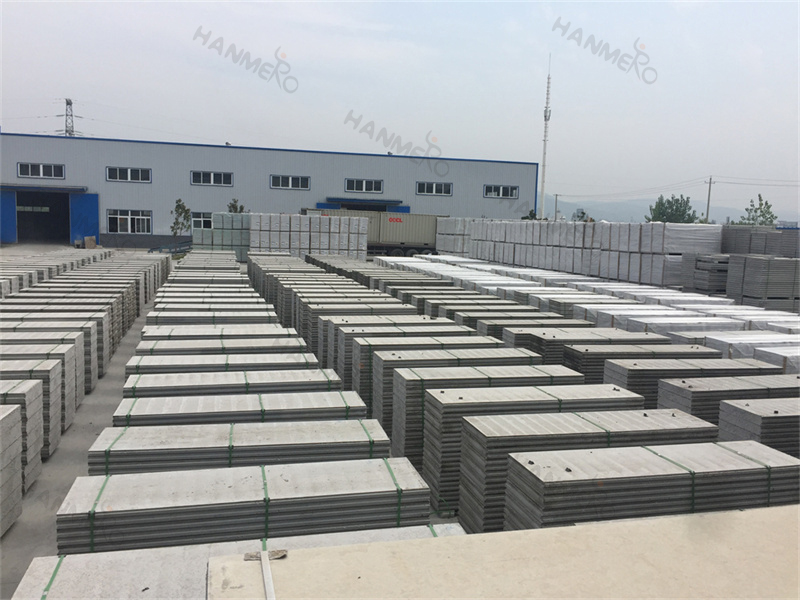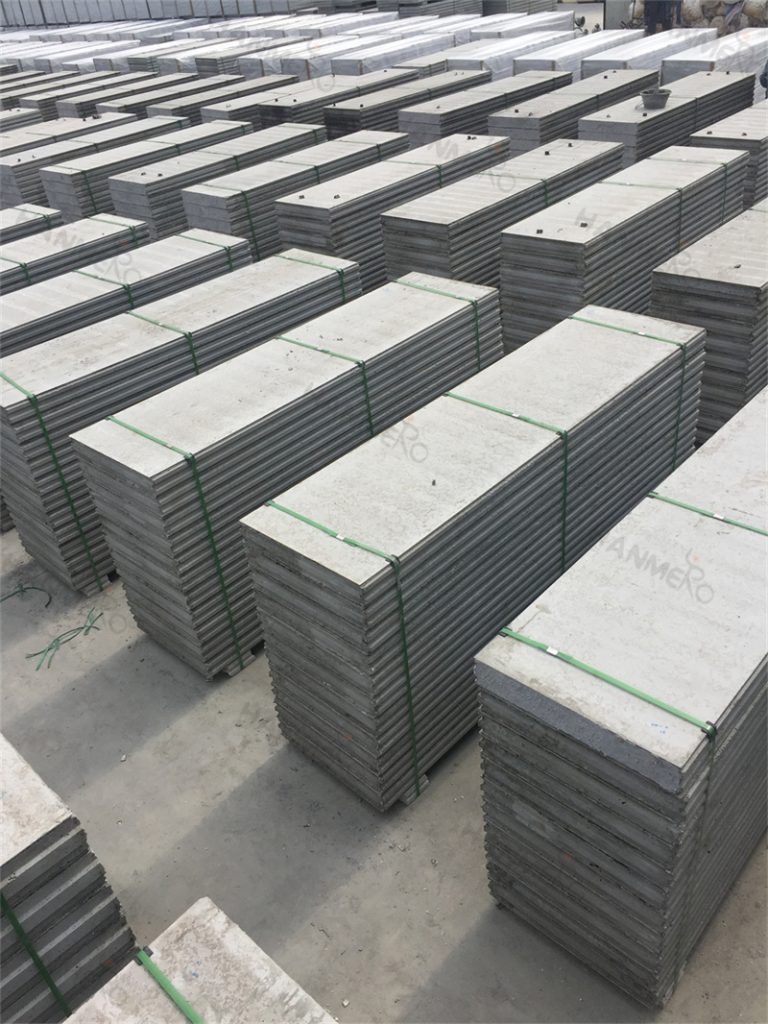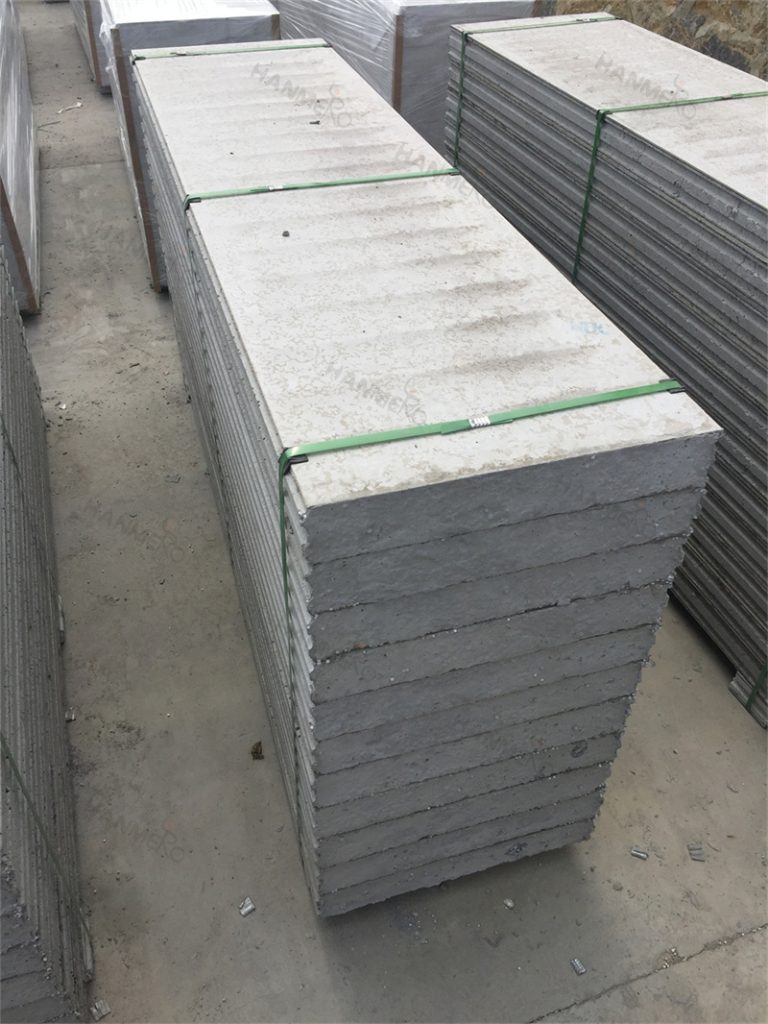
Lab test results tell a clear story about material fire performance, but nothing validates real world safety better than documented performance in actual uncontrolled building fires. Over the past 20 years, there have been dozens of well-documented fire incidents in buildings constructed with EPS Cement Sandwich Panel, and the results have consistently demonstrated that the material behaves far more safely than many traditional lightweight wall alternatives.
In one well-documented 2021 incident at a commercial warehouse in Southeast China, a large electrical fire ignited stored inventory and burned uncontrolled for over 90 minutes before fire crews arrived. The EPS Cement Sandwich Panel exterior walls and internal partition walls of the building remained fully standing after the fire was extinguished, even though the entire contents of the warehouse were completely destroyed. The cement facings of the panels only showed superficial surface scorching, and there was zero structural collapse of any part of the wall system. This prevented the fire from spreading to adjacent properties and allowed the building owner to demolish and rebuild the interior far faster than they would have been able to if the walls had collapsed completely.
This real world performance comes from a key design feature that many people misunderstand about EPS Cement Sandwich Panel. The EPS core inside the panel will carbonize when exposed to extreme heat, but it will not melt and flow out of the cement encapsulation. As the EPS carbonizes, it creates an additional heat resistant char layer that slows down heat transfer even further, extending the total fire resistance duration. This is a completely different behavior from thin metal faced EPS panels, where the metal can melt quickly and allow the entire foam core to burn through in minutes.