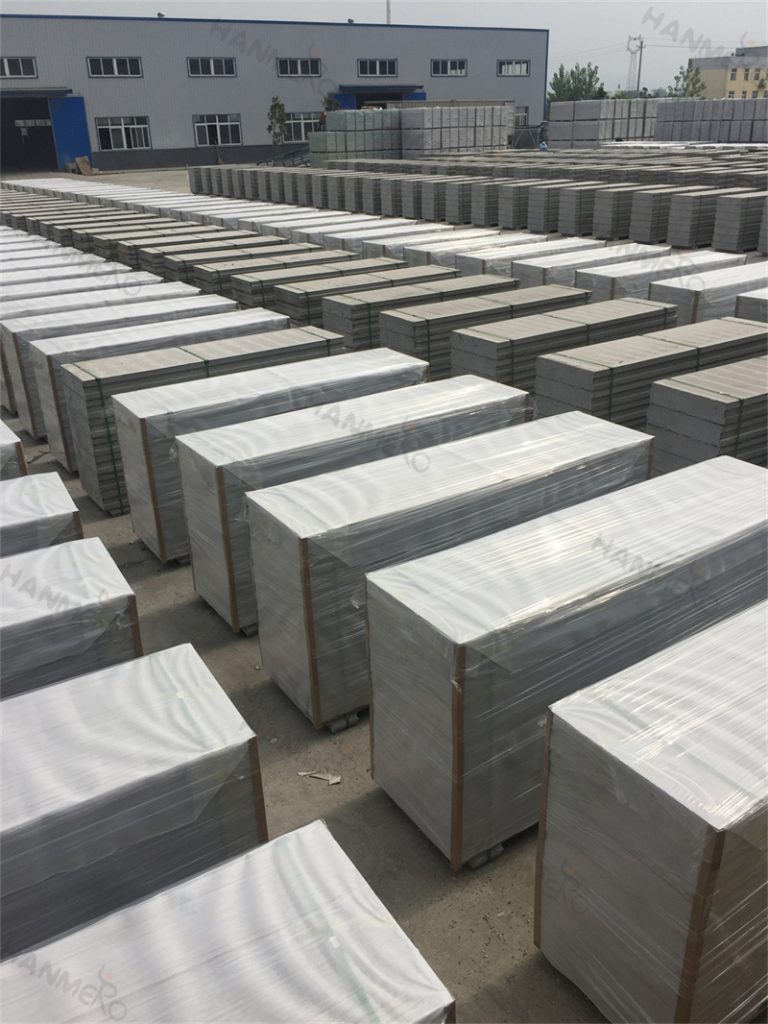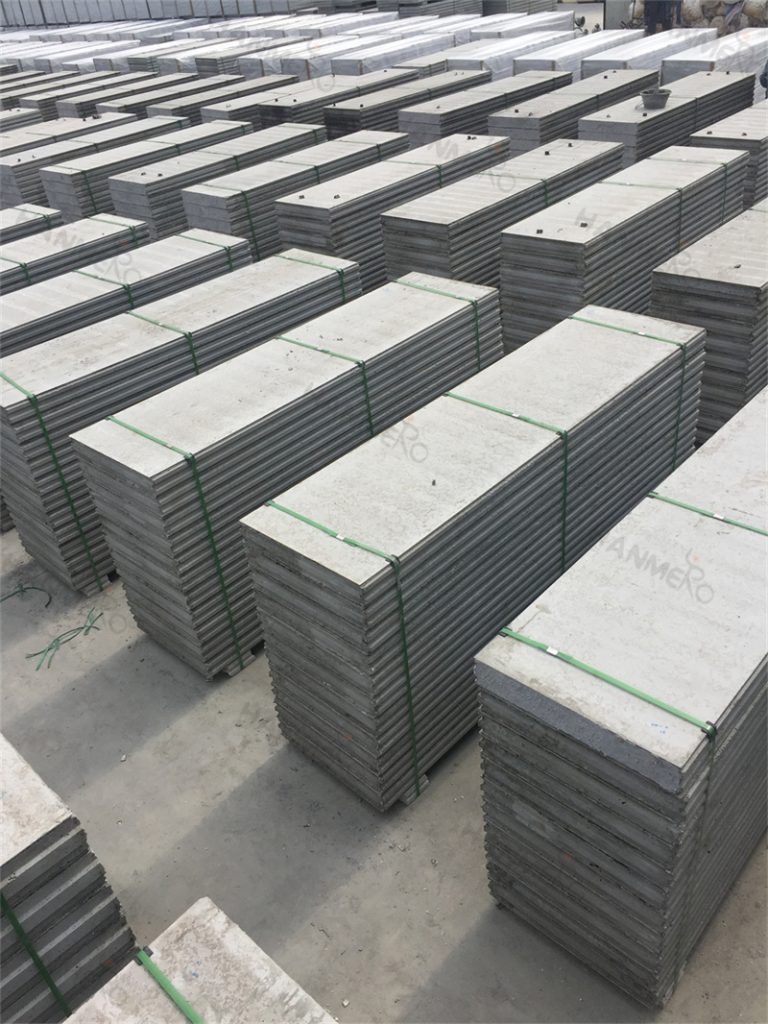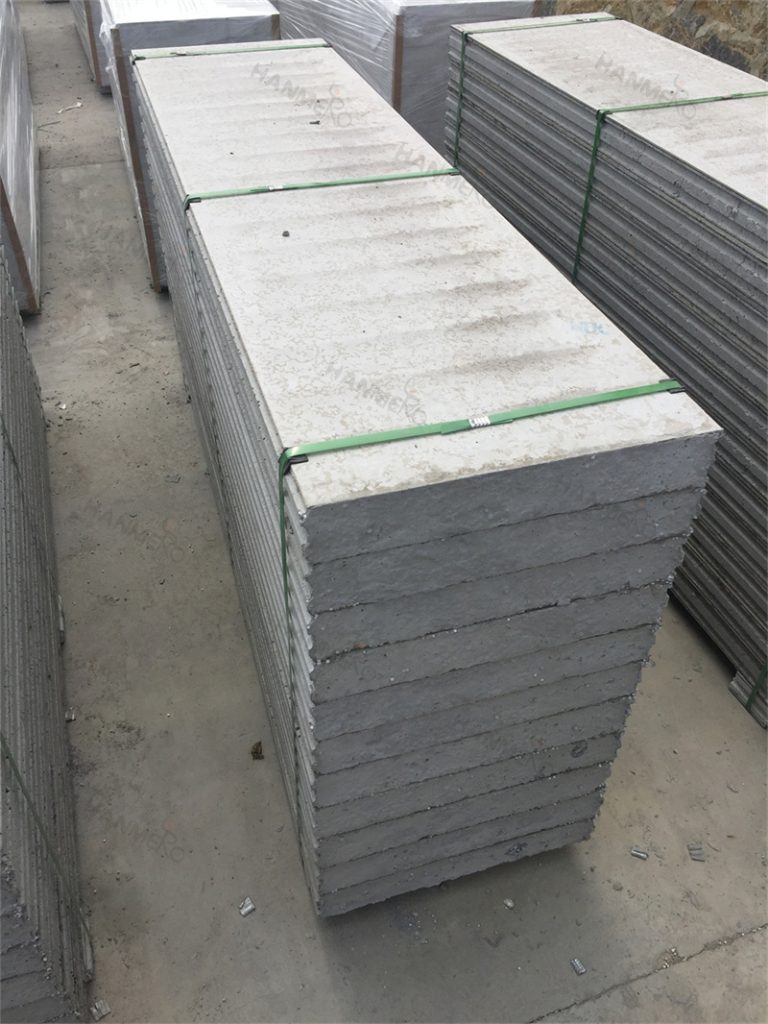
For construction projects located in regions that see consistent 80 percent+ relative humidity for months at a time, mold growth on wall surfaces is one of the most persistent and difficult to solve problems. Even walls that never get directly wet can develop dark ugly mold patches that are almost impossible to permanently remove, damaging interior finishes and creating unhealthy indoor air conditions. EPS Cement Sandwich Panel creates an environment where mold simply cannot survive and grow, even under continuous high humidity conditions.
The cement facing surface of EPS Cement Sandwich Panel is an inorganic material that contains zero organic nutrients that mold colonies need to feed on. Mold spores that land on the wall surface cannot find any food source to establish a permanent colony, even when relative humidity stays above 90 percent for extended periods. Unlike drywall, which is made from gypsum and paper facing that mold can easily digest, the cement surface of the panel provides zero nutrition for biological growth.
This mold resistance performance has been extensively field tested over more than a decade of real world use in some of the most humid locations on the planet. Site inspections of EPS Cement Sandwich Panel buildings in equatorial regions that see 90 percent+ humidity 8 months of the year have found zero instances of permanent mold growth on properly finished wall surfaces. Property owners only need to perform occasional basic cleaning to remove surface dust, and the walls will stay completely free of permanent mold staining for decades. This eliminates the need for expensive special anti-mold paint treatments that lose their effectiveness after just 2 to 3 years.