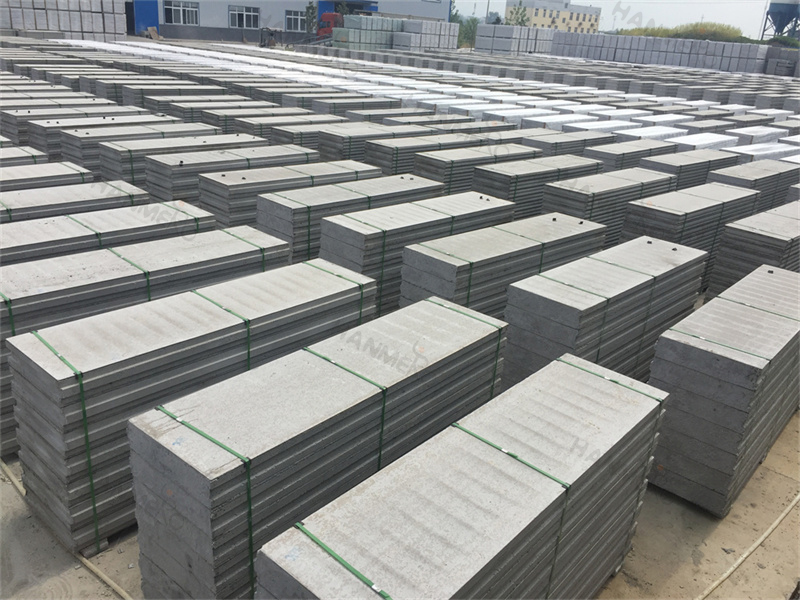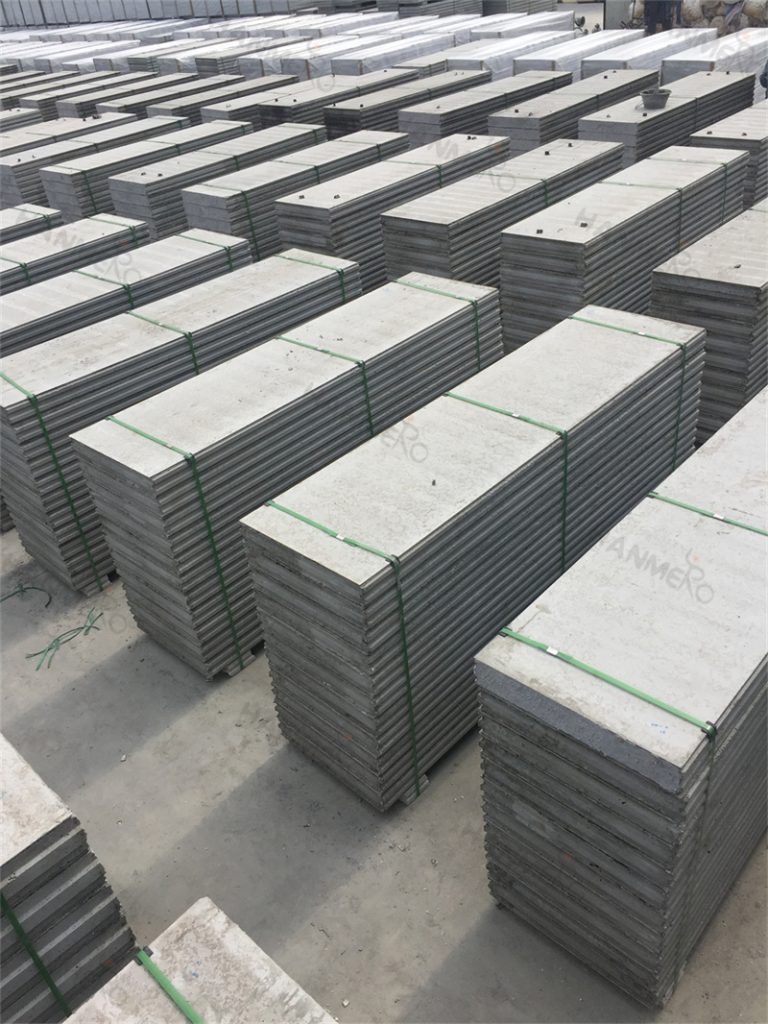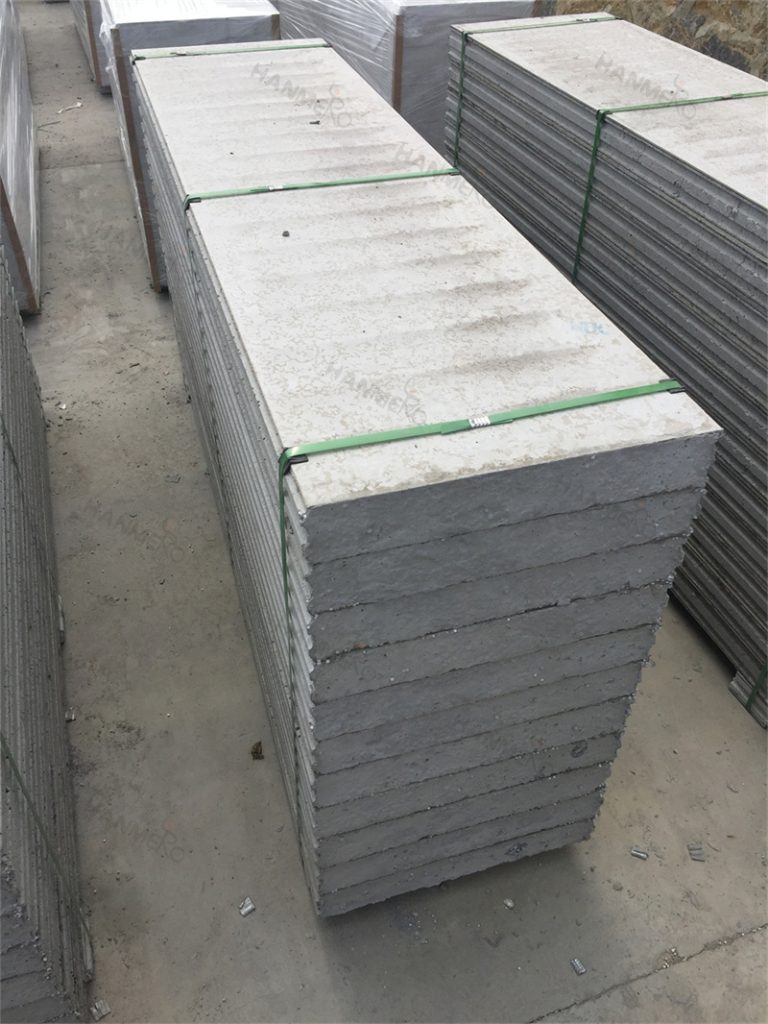
Rising damp, the process where groundwater travels upward through porous masonry walls via capillary action, is one of the most common and expensive structural problems affecting older buildings around the world. Once rising damp establishes itself in a wall, it carries dissolved salts up from the ground that slowly destroy plaster, paint and wall finishes, and create permanently damp conditions at the base of every interior wall. EPS Cement Sandwich Panel completely stops rising damp in its tracks, even when installed directly on top of floor slabs without separate damp proof course treatments.
The closed cell EPS core at the center of EPS Cement Sandwich Panel is a completely non-porous material that cannot transmit water via capillary action. Unlike the tiny interconnected pores in brick and concrete that create a wick effect that pulls water dozens of centimeters upward, the individual closed cells in the EPS foam are completely sealed off from each other, so there is no continuous path for capillary water to travel. Even if the very bottom edge of the panel is sitting in direct contact with moisture, that water cannot travel upward past the EPS core.
For new construction projects, this means builders do not need to install expensive specialized horizontal damp proof membranes under the wall system. For renovation projects on older buildings that already suffer from severe rising damp, EPS Cement Sandwich Panel can be installed directly over existing damaged damp walls as a new internal lining. The panels will completely isolate the interior living space from the damp masonry behind them, creating a dry, warm interior wall surface that will never show signs of damp staining or peeling paint at the floor line. This renovation solution can solve decades old rising damp problems for a fraction of the cost of traditional rising damp remediation treatments.