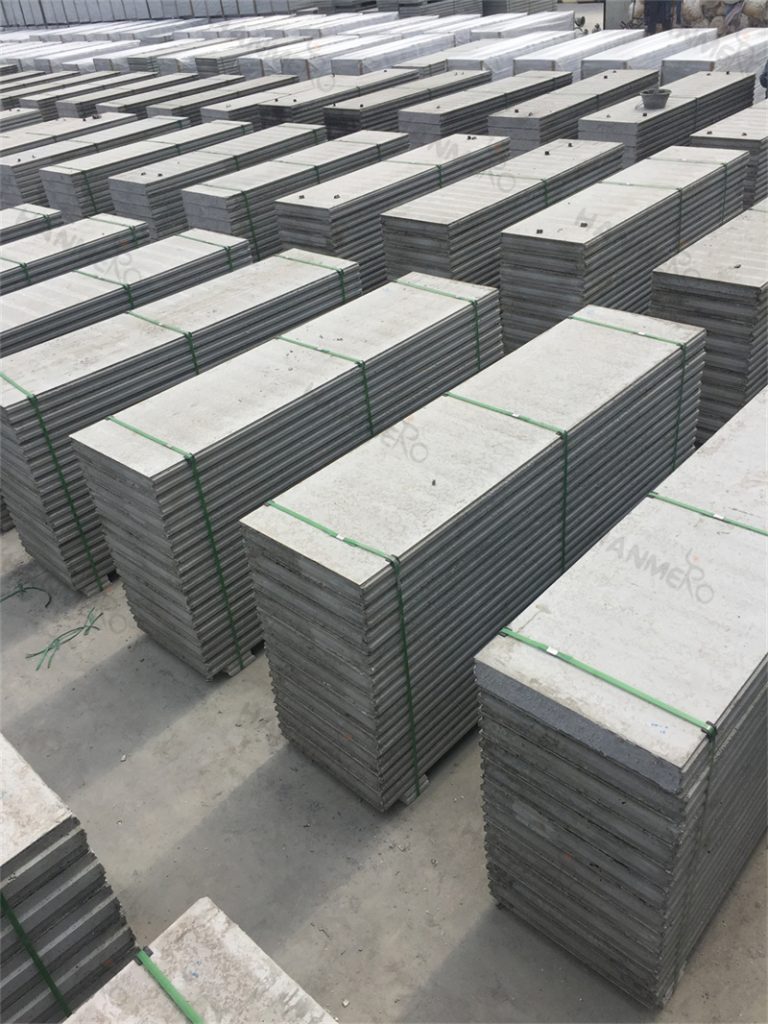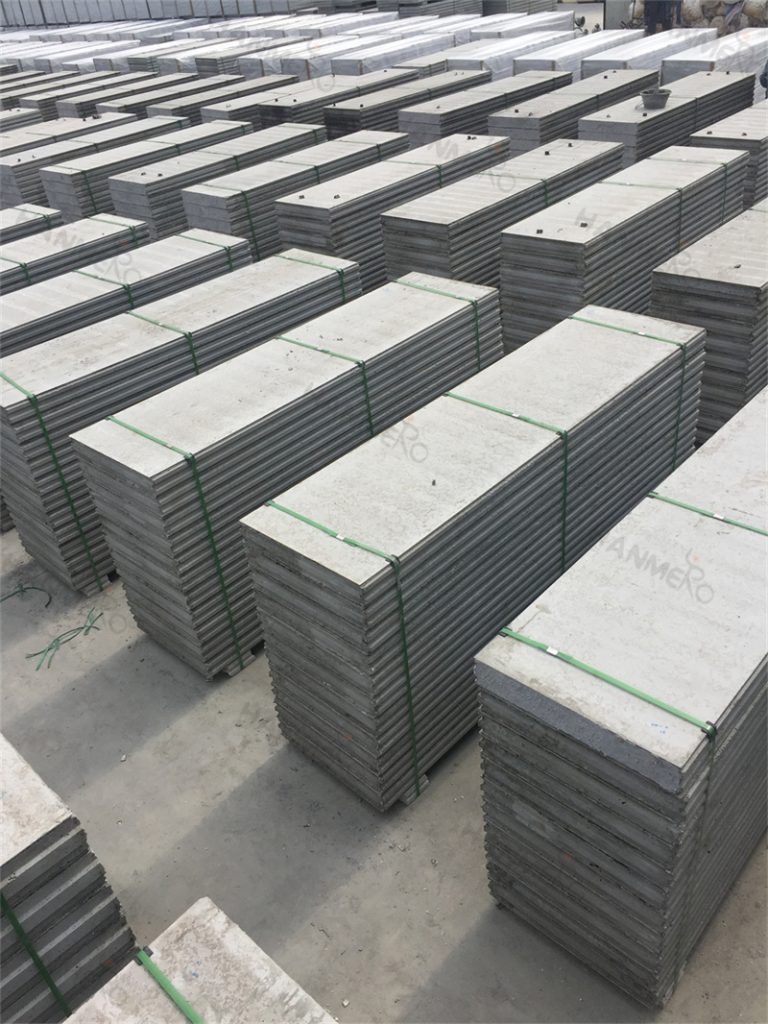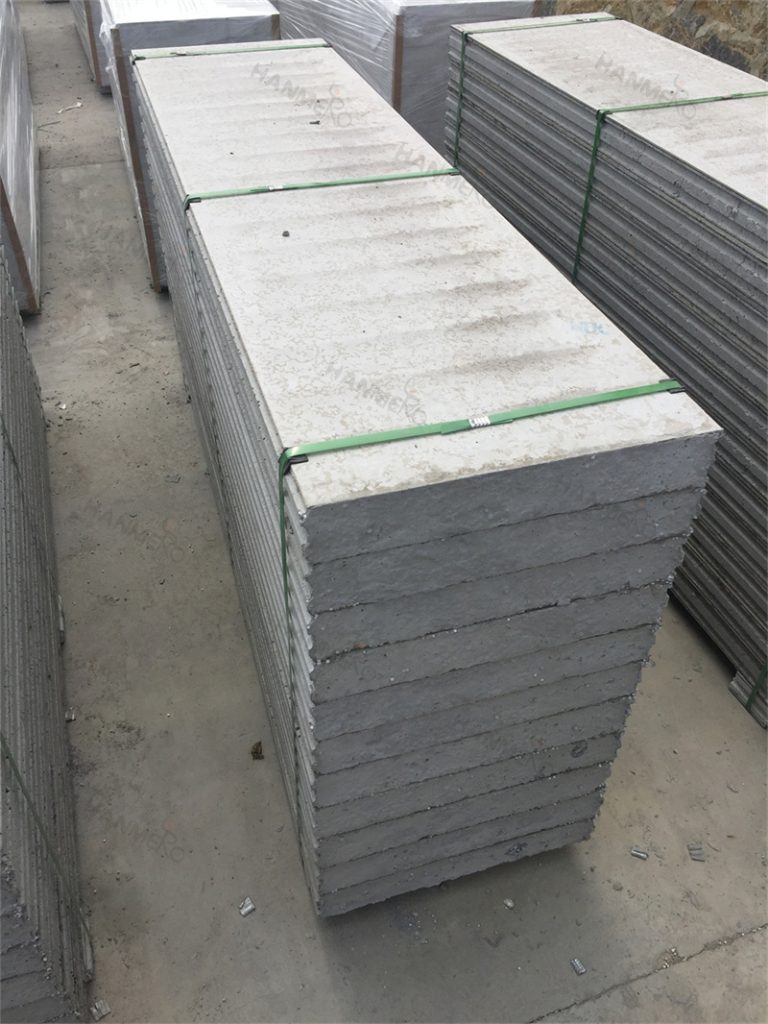
The global construction industry is racing to reach net zero carbon emissions targets, and every part of building design needs to be re-evaluated to cut both embodied carbon and operational carbon. The EPS Cement Sandwich Panel is one of the most effective wall materials available to help projects hit their net zero goals, starting from its very production process. Compared to the production of traditional clay bricks that requires high-temperature kiln firing that generates massive carbon emissions, the manufacturing process for the EPS Cement Sandwich Panel uses far less energy, resulting in much lower embodied carbon per square meter of wall. Many modern formulations of the panel also incorporate recycled industrial waste materials like fly ash into their core, further reducing the carbon footprint of each panel.
The operational carbon savings from the EPS Cement Sandwich Panel are even more significant. Its exceptional thermal insulation performance drastically reduces the energy required for heating and cooling, which means buildings can reach net zero energy status far more easily even when paired with smaller, more affordable renewable energy systems like rooftop solar panels. Unlike many other lightweight insulation materials that use harmful, high-carbon chemical blowing agents, the EPS foam core in these panels is produced with low-carbon processes that do not release dangerous greenhouse gases. Over a 50-year building lifespan, the total carbon savings from using EPS Cement Sandwich Panel instead of traditional wall materials adds up to thousands of tons of avoided CO2 emissions for a mid-sized commercial building. For any project with a serious net zero target, this panel is an essential part of a low-carbon building design.