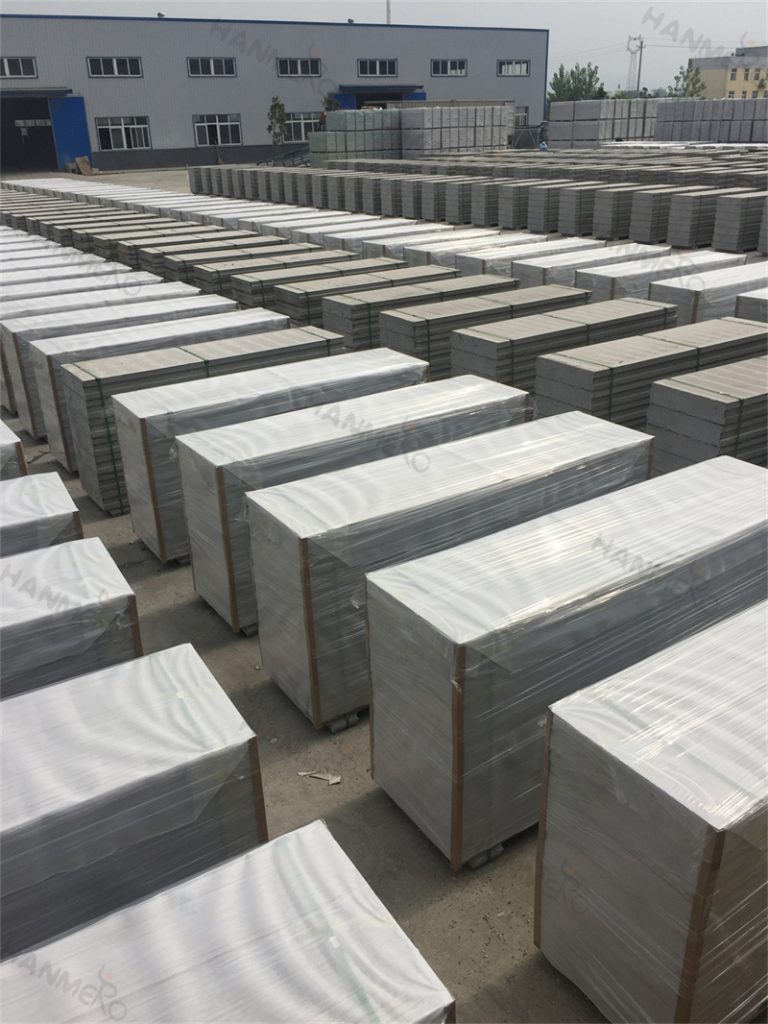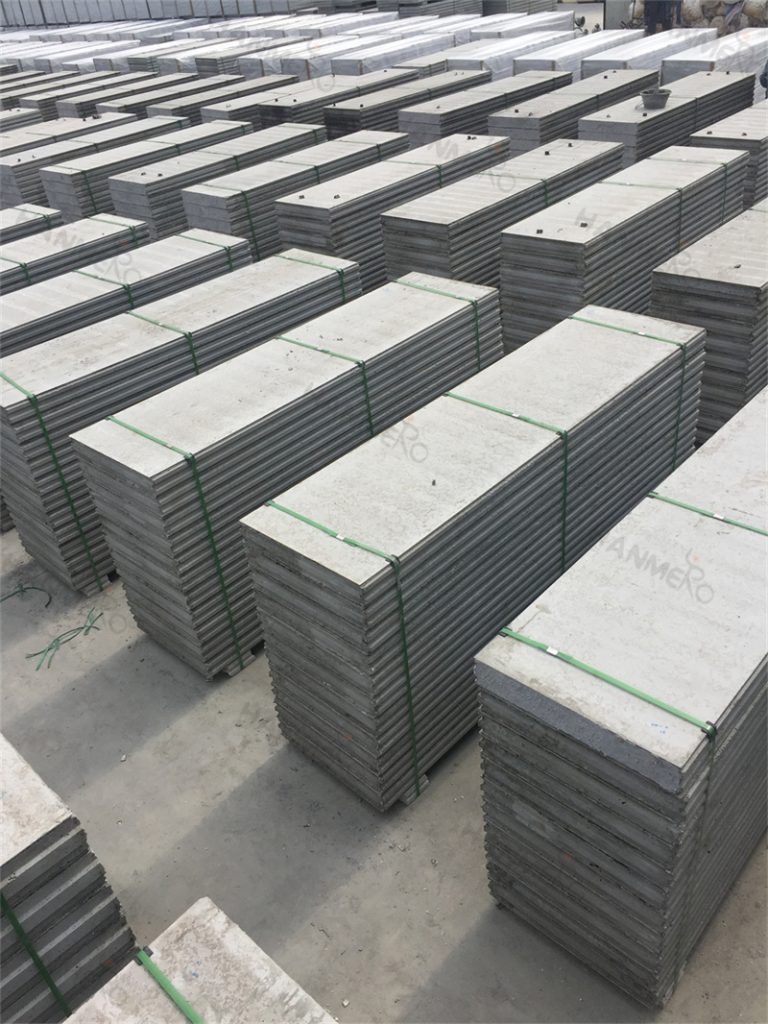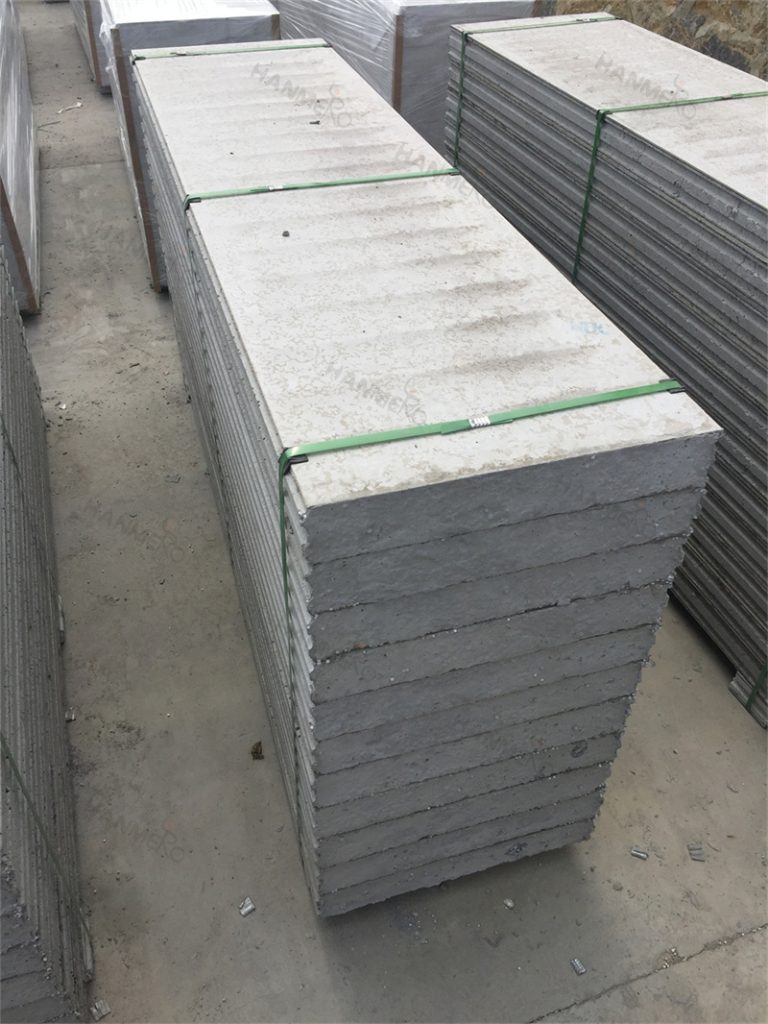
As the construction industry focuses more and more on reducing embodied carbon in building materials, it is critical for project designers to understand the full carbon footprint of every wall material they choose. A full life cycle analysis shows that the EPS Cement Sandwich Panel has one of the lowest embodied carbon values of any high-performance wall material on the market today. For every square meter of 100mm thick panel, total embodied carbon during manufacturing is less than 15kg of CO2 equivalent, which is 60% lower than the embodied carbon of an equivalent performance solid clay brick wall, and 40% lower than a traditional concrete block wall.
This low embodied carbon comes from multiple factors: the manufacturing process for the panel uses far less energy than the high temperature kiln firing required for bricks, and large portions of the panel’s raw material can be made from recycled industrial byproducts like fly ash that would otherwise be sent to landfills. When you add the massive operational carbon savings from the panel’s excellent thermal insulation, the total lifetime carbon savings of choosing EPS Cement Sandwich Panel over traditional wall materials becomes enormous. For a typical 1000 square meter residential building, this adds up to more than 150 tons of avoided CO2 emissions over a 50 year building lifespan. For any project that needs to reduce its total embodied and operational carbon footprint, the EPS Cement Sandwich Panel is one of the most effective, evidence-based material choices available.