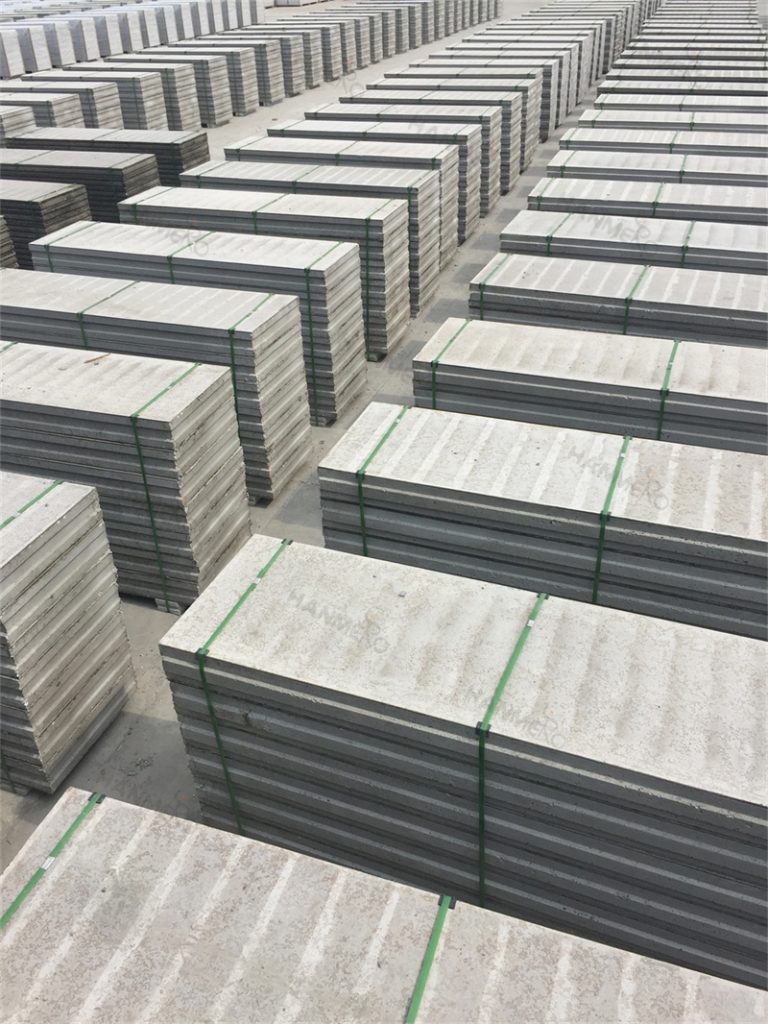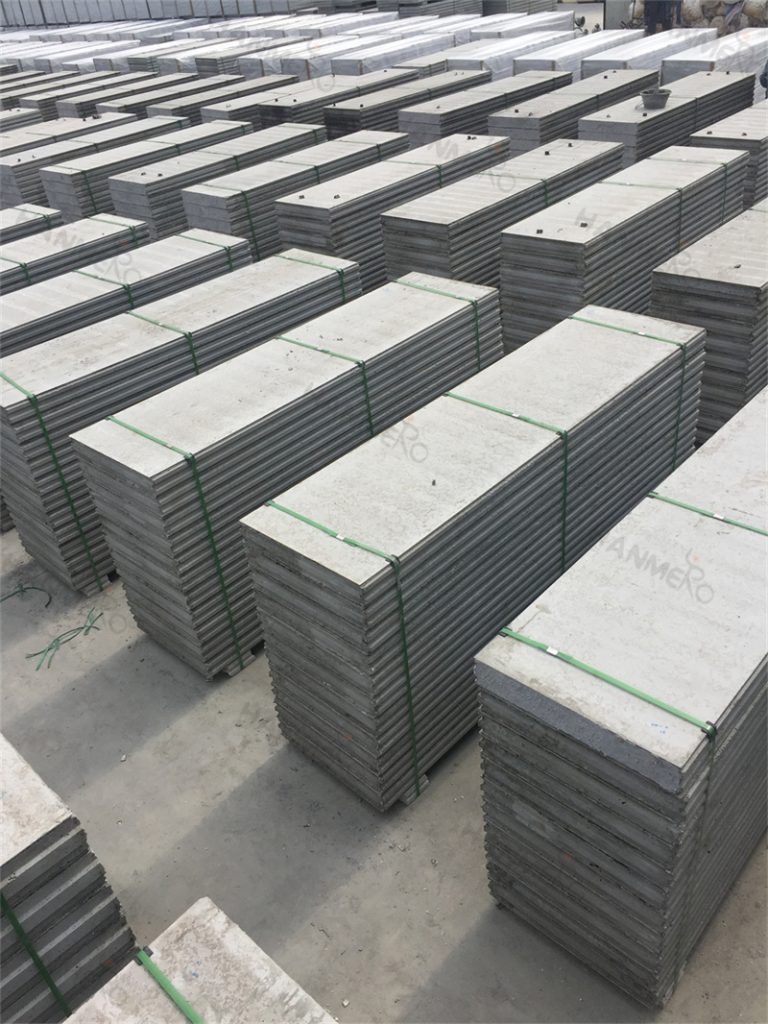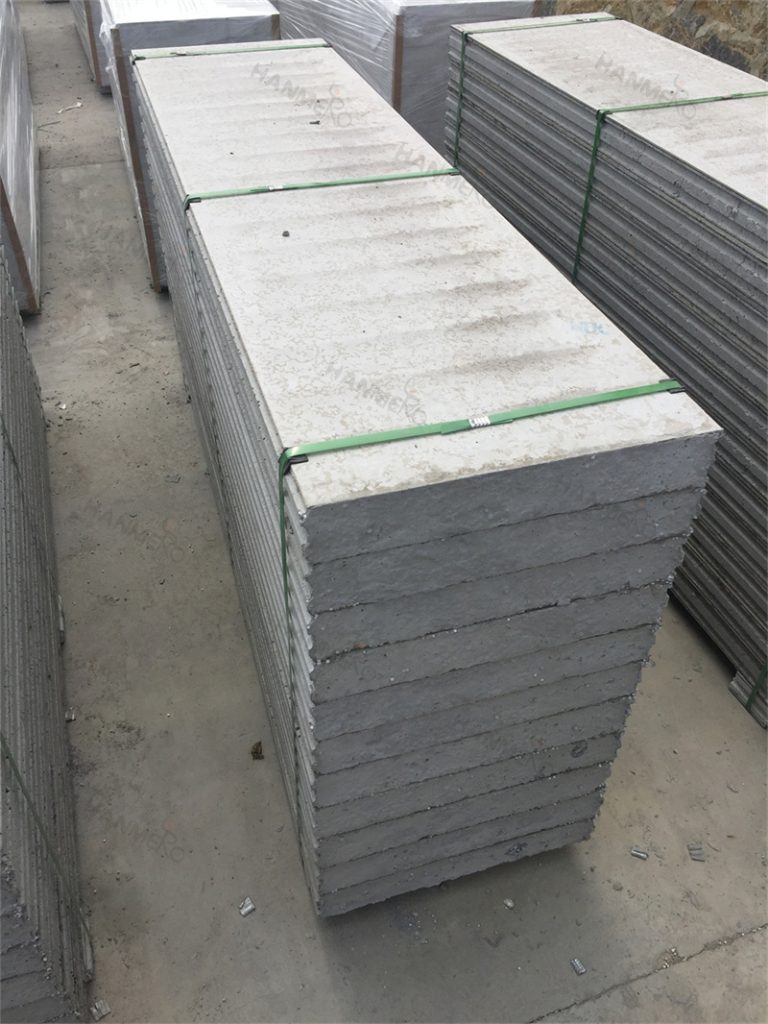
Even the highest quality EPS Cement Sandwich Panel will not deliver its expected service life if it is not installed following correct industry best practices. The first step in any successful installation is to ensure that the underlying building frame is level, properly aligned, and strong enough to support the weight of each EPS Cement Sandwich Panel without unexpected sagging or shifting over time. When lifting and positioning the panels, installation teams should avoid dropping or applying excessive impact force to the edges, as this can cause minor damage to the cement facing that could later become an entry point for moisture. Proper sealing between adjacent EPS Cement Sandwich Panel joints is another critical step, using recommended compatible sealants that can accommodate normal minor structural movement without cracking or peeling away. For projects located in regions with high humidity or frequent condensation risks, adding a properly installed vapor barrier behind the EPS Cement Sandwich Panel will prevent unwanted moisture from reaching the EPS core and causing long term performance issues. All fasteners used to secure the panels to the frame should be corrosion resistant and driven to the correct depth to avoid damaging the outer cement layer. Following these simple installation guidelines will help any construction team get the maximum possible performance and lifespan out of every EPS Cement Sandwich Panel they work with.