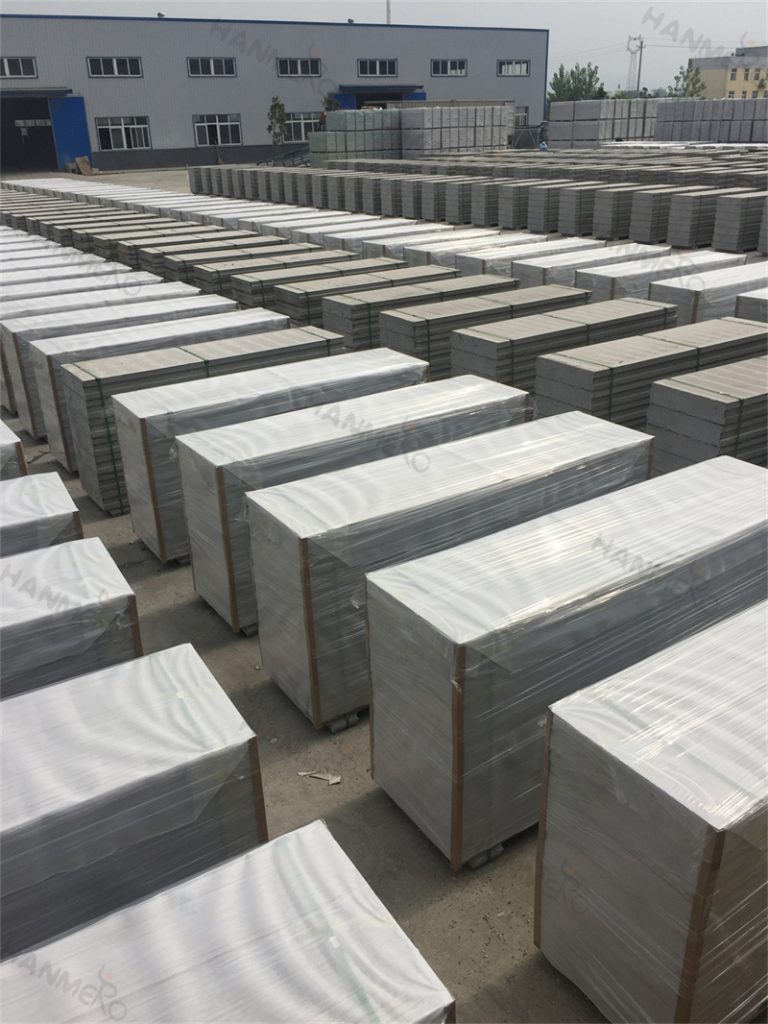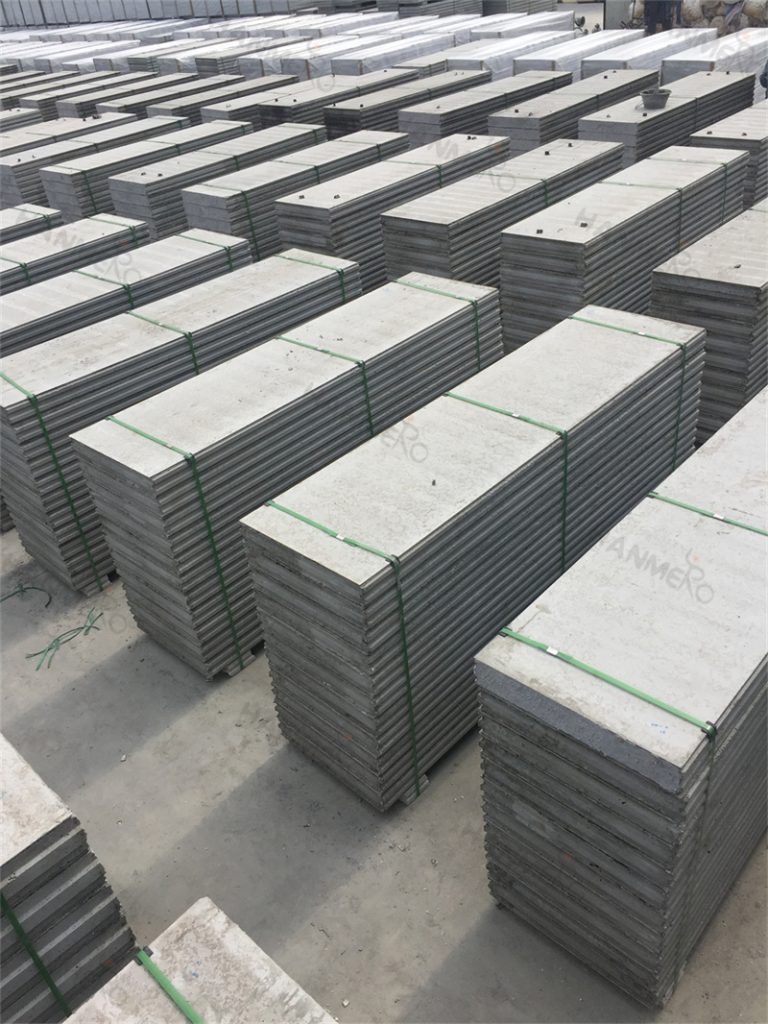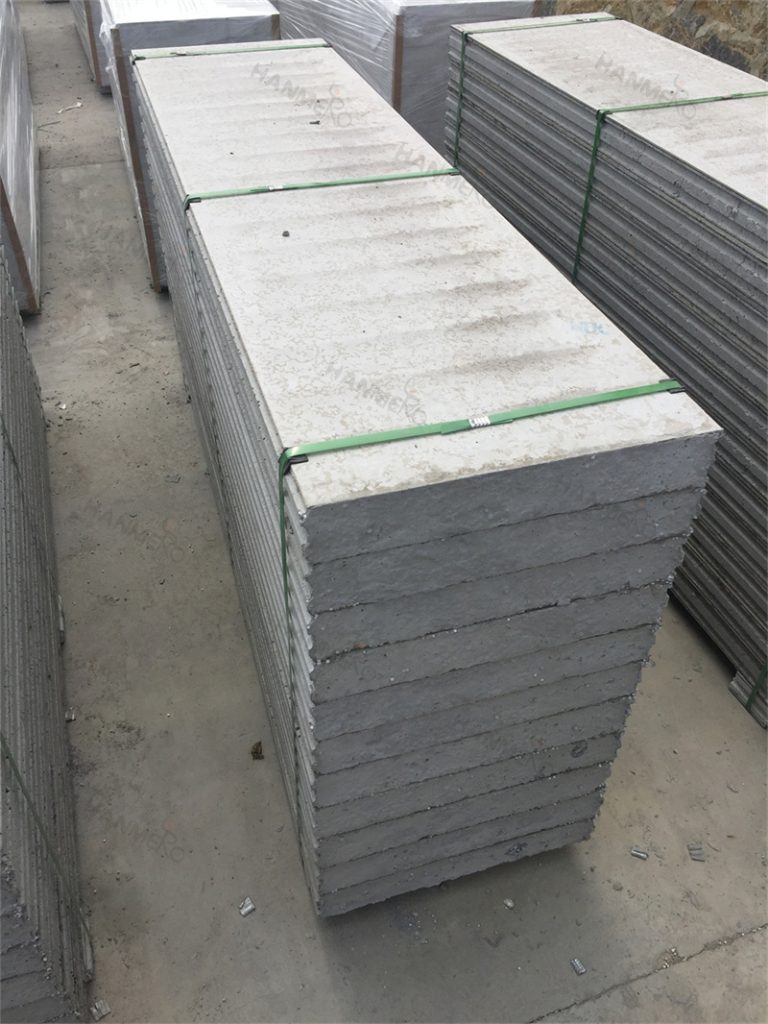
Running electrical wires, network data cables, and power sockets through office walls is a core part of any office fit-out, and EPS Cement Sandwich Panel is extremely friendly for this kind of on-site modification. Unlike dense solid concrete walls that require heavy, noisy diamond saws to cut, EPS Cement Sandwich Panel can be easily processed with regular electric tools that every construction team already owns. This makes the whole cable installation process much faster, quieter, and less dusty for everyone working on site.
Before you start cutting slots on an EPS Cement Sandwich Panel wall, you should first mark out the exact positions of all power sockets, network ports, light switches, and cable routes on the wall surface. You can use a handheld electric saw to cut shallow slots on the panel surface, then use a chisel to remove the inner material to create space for the cables. You do not need to cut very deep into the panel, because the middle lightweight core of EPS Cement Sandwich Panel already provides more than enough space for regular electrical conduits.
After you place the cables and conduits inside the slots, you can fill the openings back with special repair mortar, then cover the area with anti-crack mesh cloth before applying putty. This process will not damage the overall structural strength or sound insulation performance of the EPS Cement Sandwich Panel at all. You can also pre-embed plastic conduit pipes during the panel installation stage, which will make the electrical work even faster and cleaner. For office projects that need hundreds of power and data points across every partition wall, EPS Cement Sandwich Panel makes the whole cabling process far simpler and more efficient than traditional wall materials.