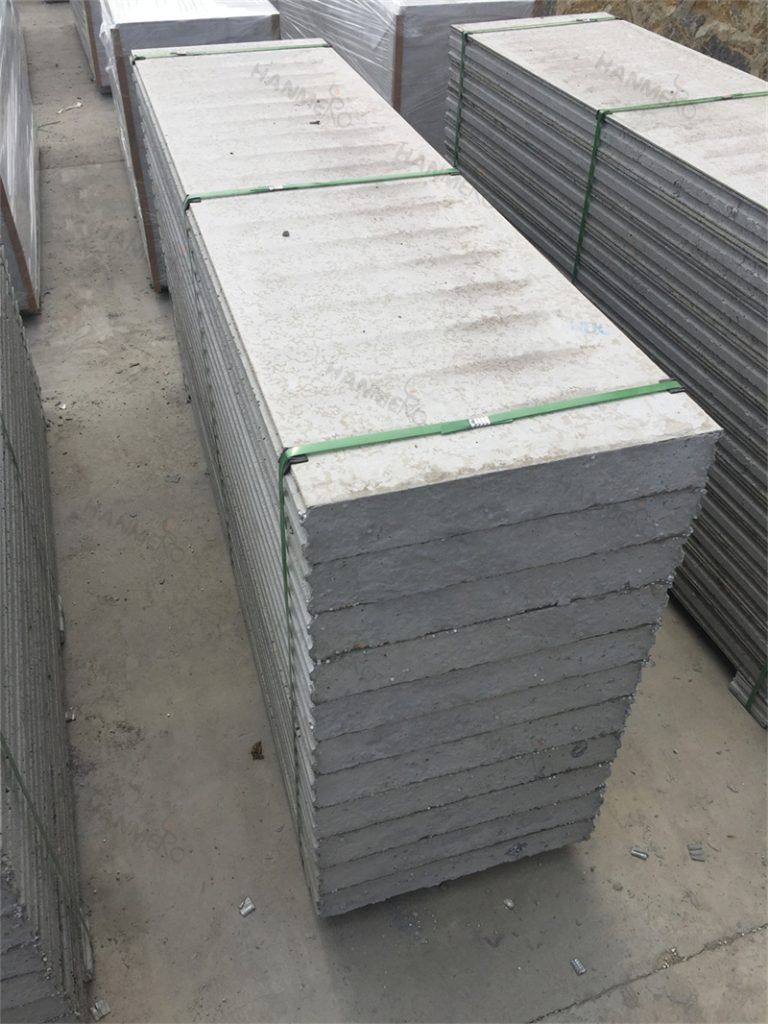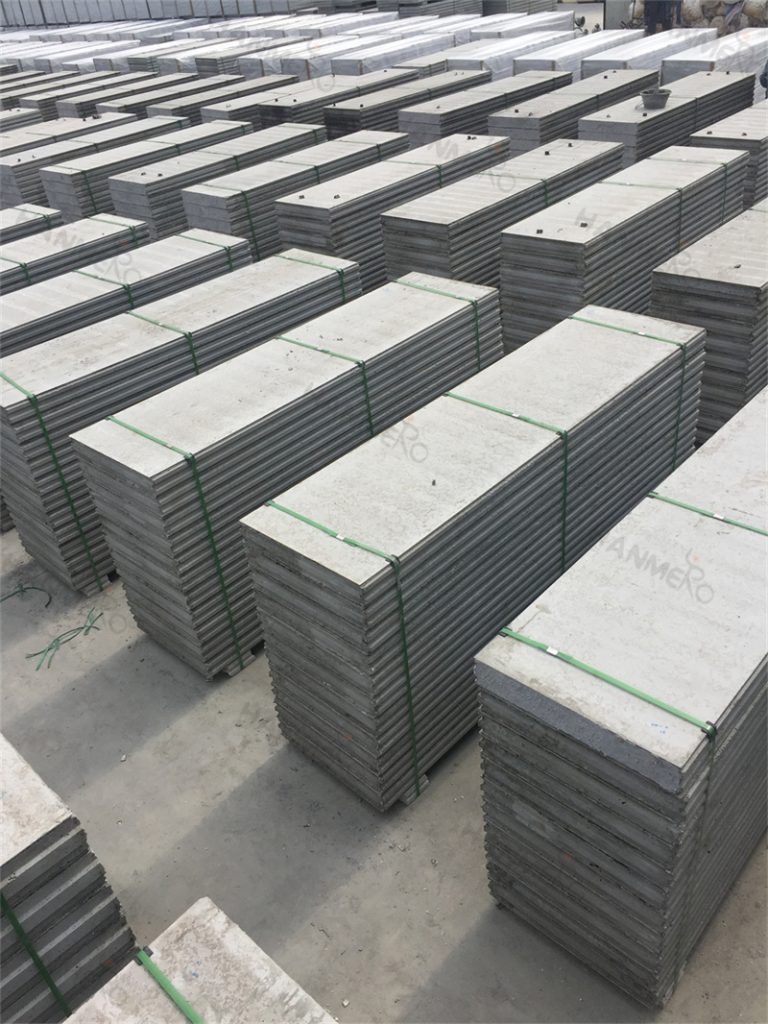
Installing electrical wiring, network cables, and plumbing pipes inside EPS Cement Sandwich Panel office walls is a simple, straightforward process that does not require any specialized tools, as long as you follow a few basic best practices. Unlike solid brick walls that require noisy, messy chasing work to create channels for wires and pipes, you can easily cut neat, precise grooves into the inner EPS foam core of the panel using a standard electric router, without damaging the outer cement layer that provides structural strength and impact resistance. This means you can run all your electrical and network lines hidden inside the wall completely, without leaving any unsightly exposed cables running along the surface of the partition. When you need to install electrical outlets, network ports, or plumbing connection points, you can cut a custom-sized opening in the panel, mount the fixture box securely in place, and seal the edges with a small amount of the manufacturer’s recommended joint compound to maintain the wall’s full sound insulation and fire resistance performance. It is important to remember that you should not run large diameter plumbing pipes directly through the panel’s core, as this can reduce the wall’s structural strength — instead, you can create a small dedicated service chase between two adjacent EPS Cement Sandwich Panels to run all larger pipes. Following these simple tips will ensure that all your electrical and plumbing installations are neat, safe, and fully compliant with local commercial building codes.