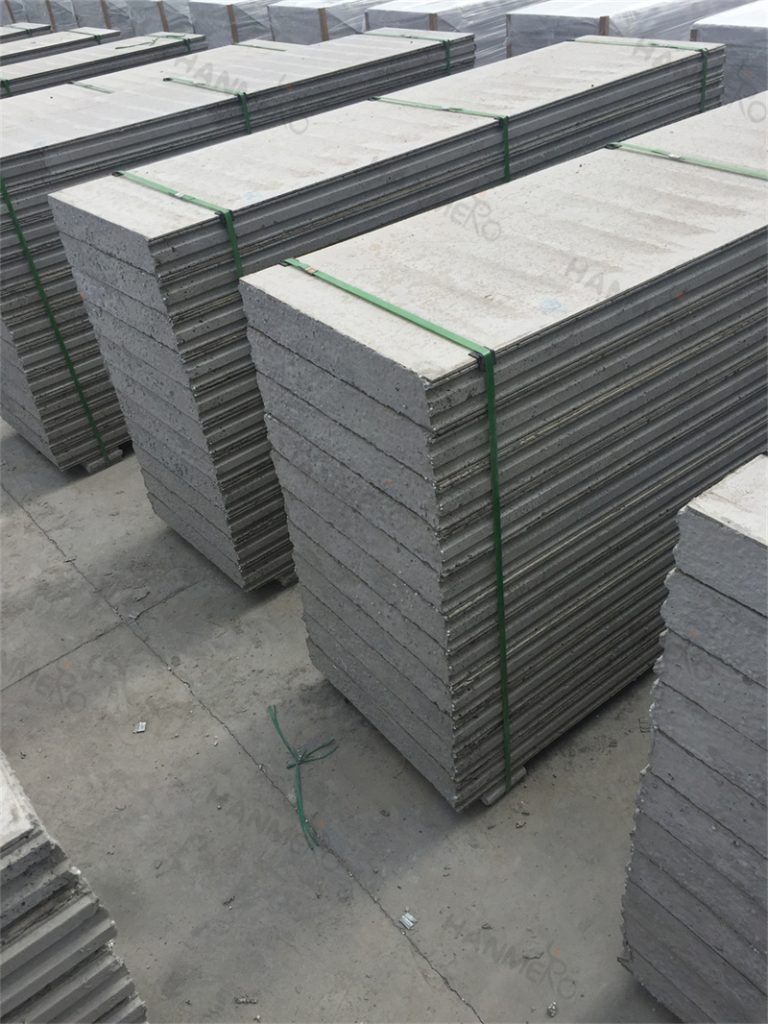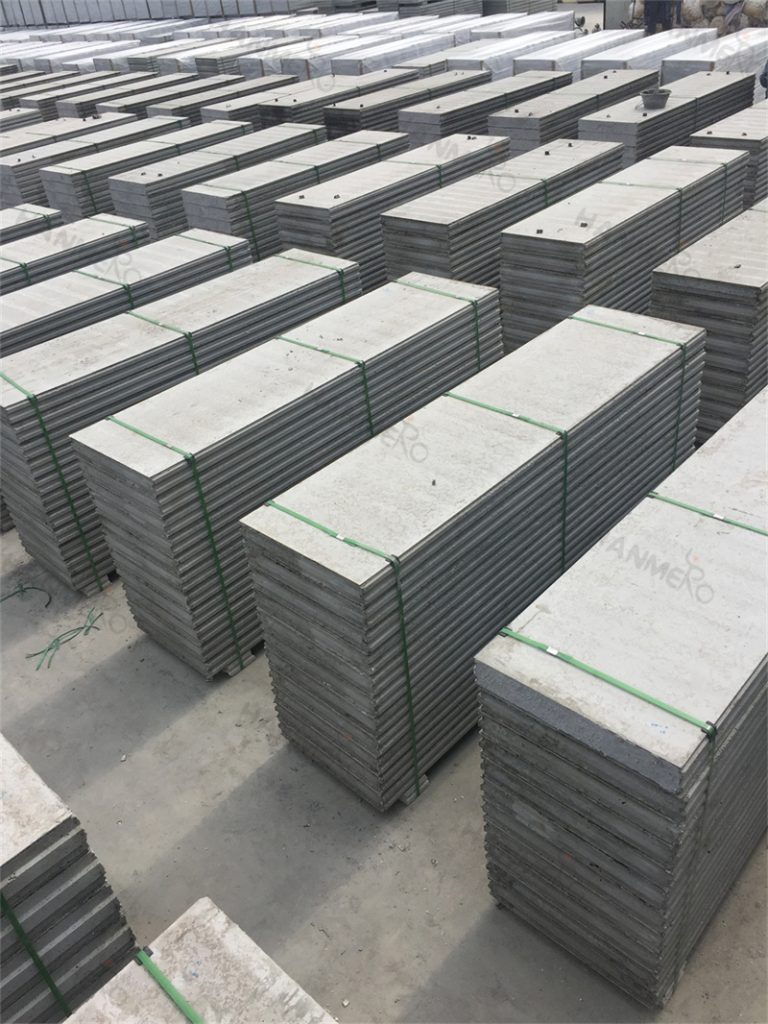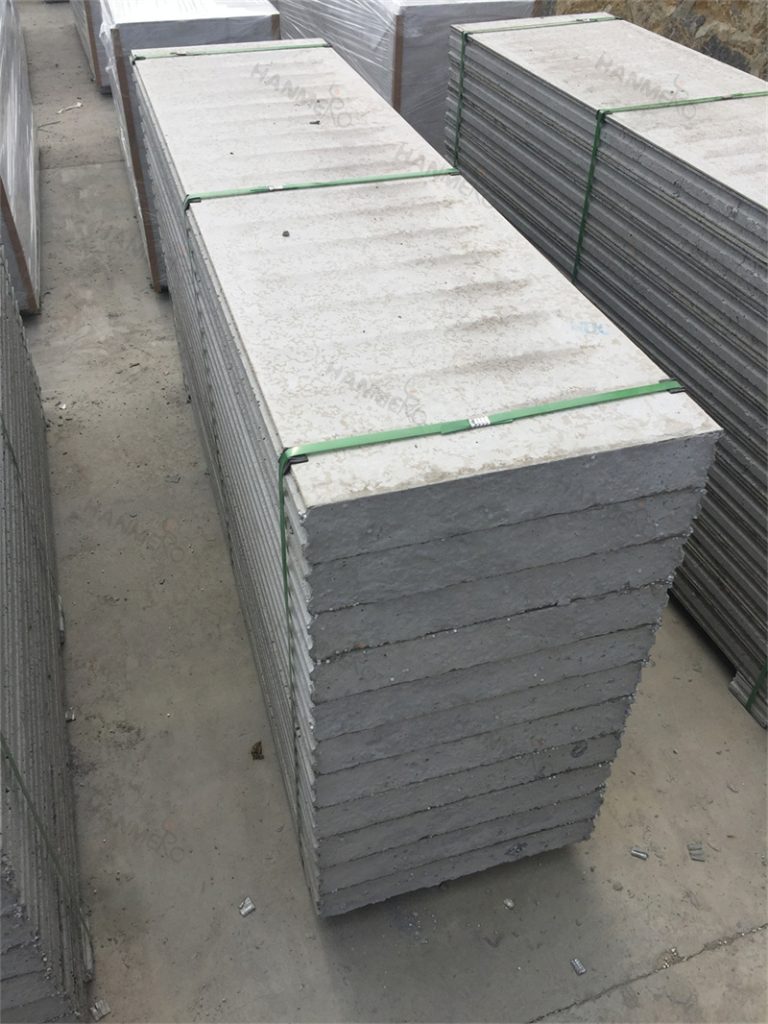
If you are a contractor, architect, or property developer exploring cost-effective, high-performance wall solutions for your next project, understanding how to properly integrate the EPS Cement Sandwich Panel into your design and construction workflow can deliver long-term value far beyond initial material savings. This practical guide breaks down key considerations, best use cases, and implementation tips to help you get the most out of this innovative building material.
First, it is essential to match the correct type of EPS Cement Sandwich Panel to your specific project scenario. Standard flat panels are the most widely used option, perfectly suited for interior partition walls, exterior building envelopes, warehouse enclosures, and general office space construction. They offer a balanced combination of insulation, structural performance, and affordability, making them ideal for large-scale residential communities and mid-sized commercial projects. For projects with special aesthetic requirements, such as modern homes with curved rooflines, church atriums, or architectural spaces with vaulted ceilings, custom curved EPS Cement Sandwich Panel variants can be engineered to maintain the same thermal efficiency while delivering the unique visual effect designers want. For spaces that demand extra acoustic privacy, such as recording studios, conference rooms, or healthcare facilities, enhanced soundproof versions of the panel add dedicated acoustic insulation layers between the EPS core and cement boards to minimize sound transmission effectively.
When planning installation, there are several key best practices to ensure the EPS Cement Sandwich Panel performs to its full potential. Start with accurate on-site measurement and pre-planning before placing your order, as prefabricated panels are manufactured to precise dimensions and proper pre-ordering minimizes unnecessary on-site cutting and material waste. During installation, follow the manufacturer’s recommended joint sealing procedures to ensure the wall system maintains consistent insulation performance and air tightness across the entire building envelope. While basic versions of the panel are non-load bearing, working with your structural engineer early in the design phase will help you correctly position load-bearing elements around the panel system to maximize overall building stability.
The long-term lifecycle benefits of choosing the EPS Cement Sandwich Panel extend well beyond the construction phase. Buildings completed with these panels typically require less ongoing maintenance than traditional masonry walls, and their consistent thermal performance helps property owners save on utility costs year after year. As governments around the world continue to introduce stricter green building regulations and carbon reduction targets, projects that use this sustainable, recyclable panel material will find it easier to meet certification requirements and achieve higher market value. Whether you are working on a small residential renovation, a multi-story office building, or a large industrial warehouse, the EPS Cement Sandwich Panel offers a flexible, future-proof wall solution that aligns perfectly with the direction of modern construction.