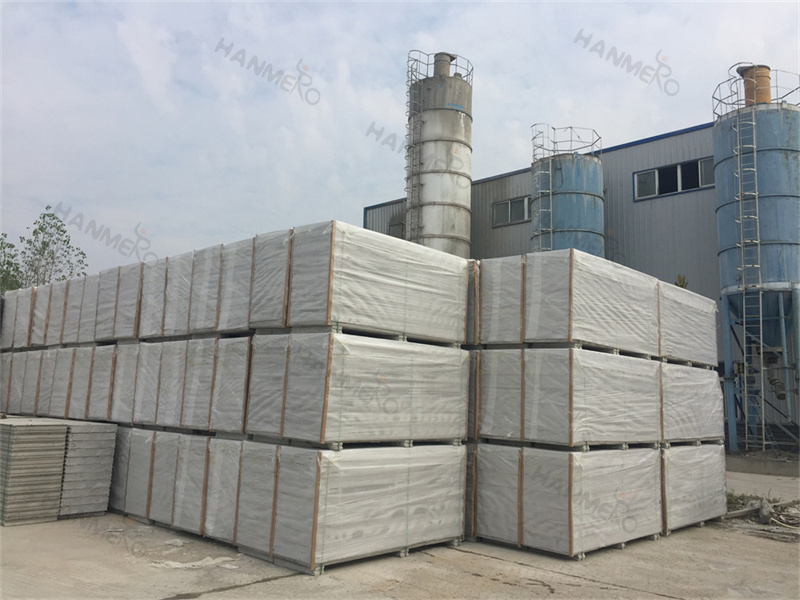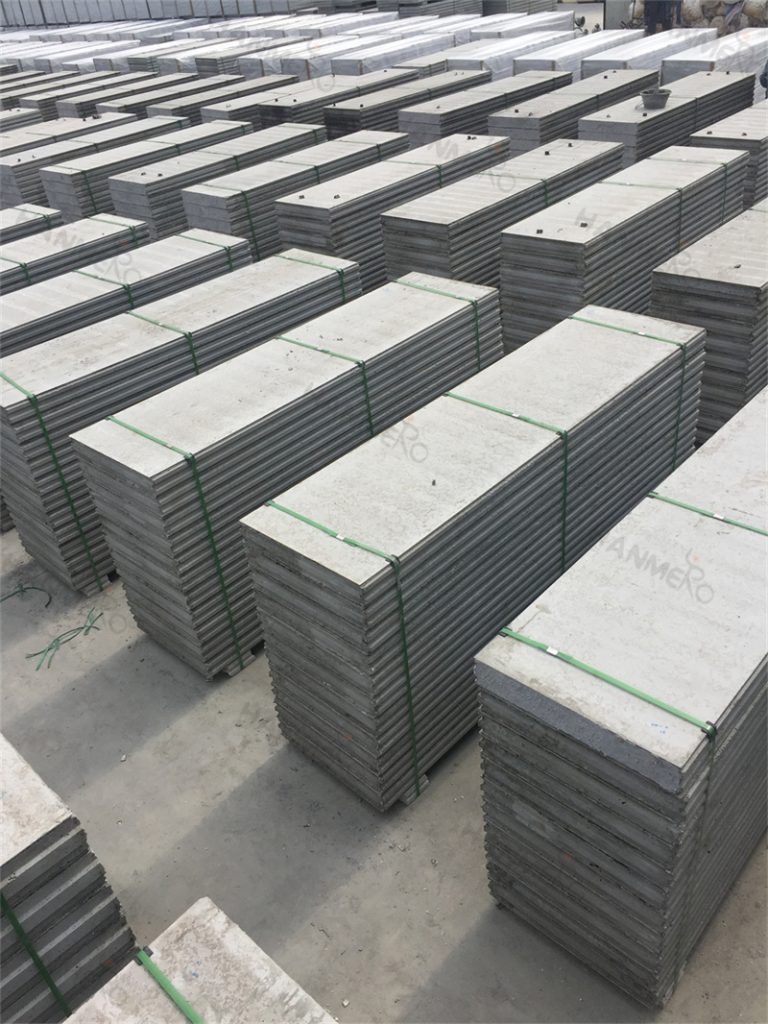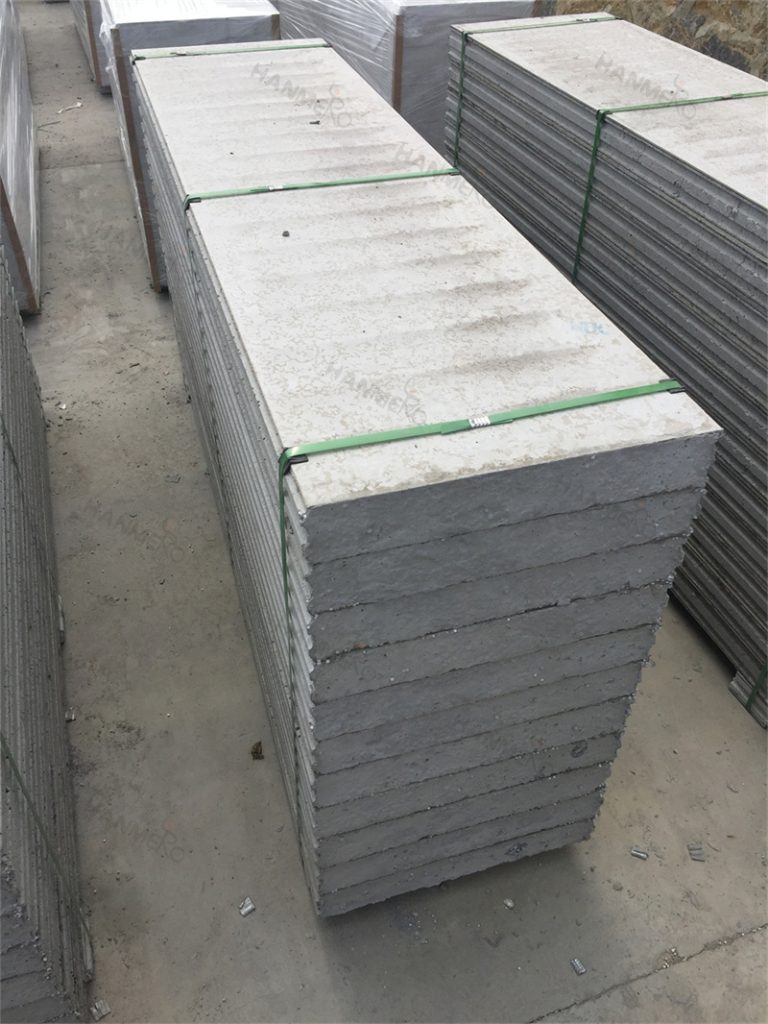
As one of the most widely adopted prefabricated building materials in 2026, the EPS Cement Sandwich Wall Panel has dozens of different grades, thickness options and performance parameters on the market, which can easily confuse new buyers who are purchasing this product for the first time. This complete specification and buying guide breaks down every key detail you need to know, so you can avoid low quality products and select the exact EPS Cement Sandwich Wall Panel that perfectly matches your project requirements.
The basic standard EPS Cement Sandwich Wall Panel consists of two 6mm thick high density fiber reinforced cement board skins, with a closed cell expanded polystyrene core in the middle. The most common standard thickness options on the market are 75mm, 100mm, 125mm and 150mm, each designed for different application scenarios. A 75mm thick panel is ideal for interior non load bearing partition walls inside residential and commercial buildings, delivering enough sound insulation and structural strength for daily indoor use. The 100mm and 125mm grades are the most popular choices for exterior walls of low rise buildings, warehouses and modular homes, balancing thermal insulation performance and cost efficiency. The 150mm upgraded grade is specially designed for cold climate regions and cold storage facilities, delivering extremely low thermal conductivity to minimize heat loss.
When buying EPS Cement Sandwich Wall Panel, you should always check three critical specification points before confirming your order. First, confirm the density of the EPS core inside the panel: standard quality panels use EPS foam with a density of at least 18kg per cubic meter, which guarantees long term structural stability and consistent insulation performance. Cheaper low quality products often use 8kg to 10kg low density foam that will shrink and lose performance after a few years. Second, verify the thickness and material of the outer cement skins, they should be at least 6mm thick fiber reinforced calcium silicate board, not thin low density cement board that breaks easily under minor impact. Third, request a full third party test report that covers thermal conductivity, fire rating, water absorption and impact strength, to make sure the product meets your local building code requirements.