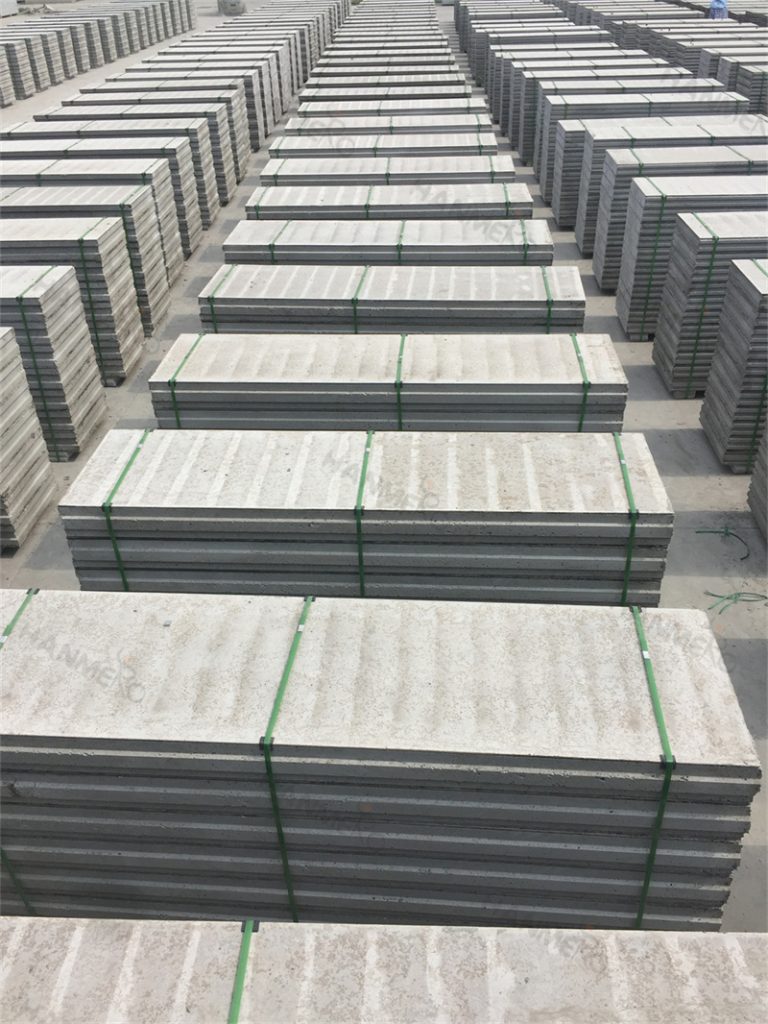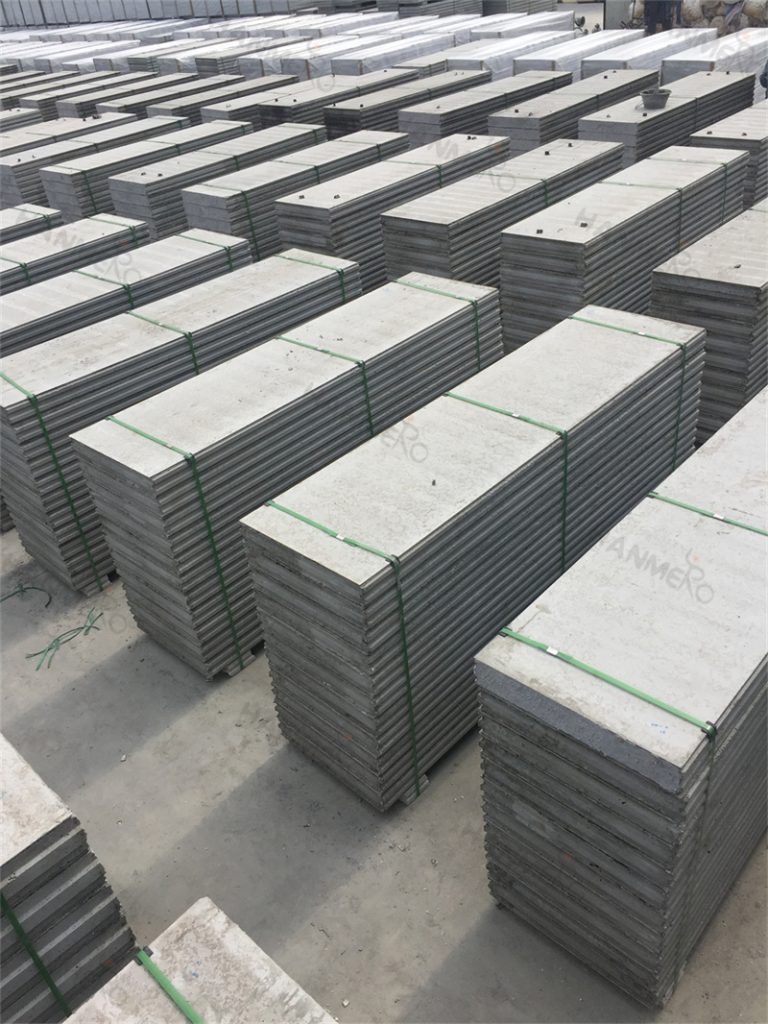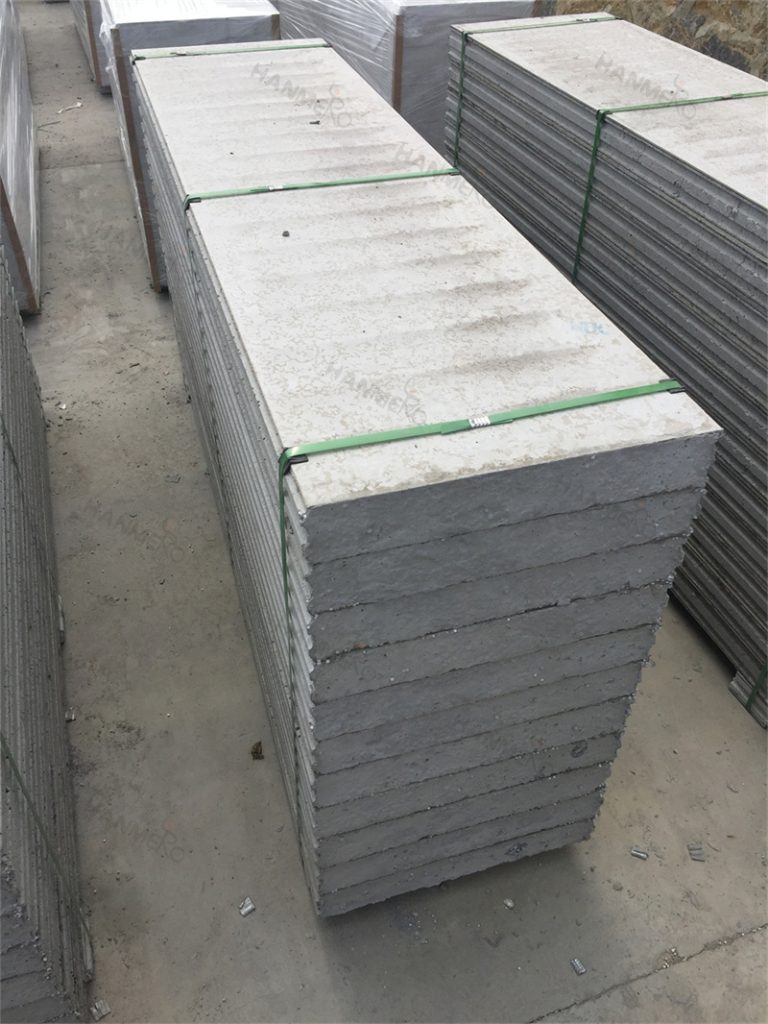
Even if you have very limited wall construction experience, you can successfully install EPS Cement Sandwich Wall Panel correctly by following this clear step by step guide, and get professional quality results that meet all standard building requirements. This guide is designed for small contractors, DIY home renovators and small project teams who are working with EPS Cement Sandwich Wall Panel for the first time, and it covers every important step that most generic installation manuals skip over.
Before you start installation, first prepare all required tools and materials: a standard electric circular saw with a cement cutting blade, impact drill with masonry bits, special panel connecting brackets, neutral cure weatherproof silicone sealant, non shrinking filler and a level. First, mark the exact position of the wall line on the floor, ceiling and adjacent main structure according to your construction drawing. Install the U shaped bottom track on the floor along the marked wall line, fix it with expansion screws every 600mm. Then lift your first EPS Cement Sandwich Wall Panel, slide the bottom edge into the U track, adjust the panel to perfectly vertical position with a level, and fix the top edge to the ceiling structure with top connecting brackets.
After the first panel is secured, slide the next adjacent panel into the special interlocking edge groove on the side of the first panel, leave a 3mm expansion gap between the two panels, and continue the same process until the full wall line is complete. Once all panels are positioned and fixed, fill all the panel joints with non shrinking filler, and apply silicone sealant along the bottom edge, top edge and all external joints to create a full waterproof seal. The entire process is extremely fast: two people with no prior experience can install more than 20 square meters of EPS Cement Sandwich Wall Panel in a single day. The most important beginner mistake to avoid is using hard cement mortar to fill the panel joints, as it will crack when the panels make small thermal movements, you must always use flexible joint filler instead.