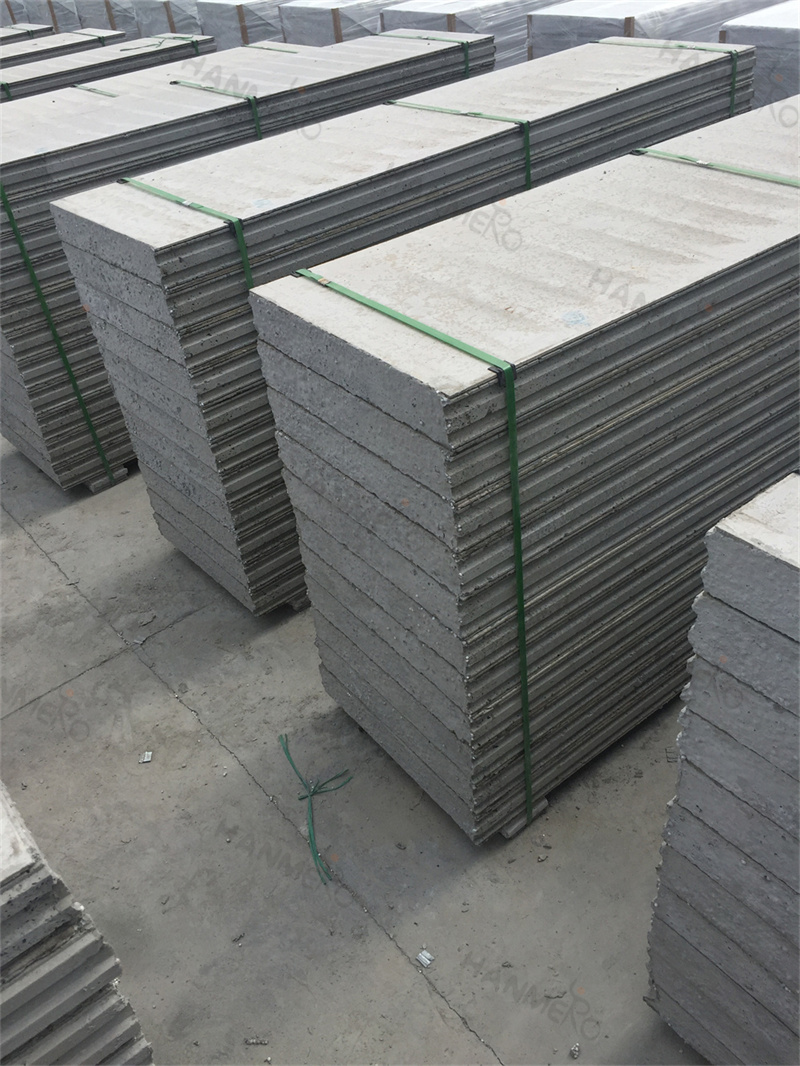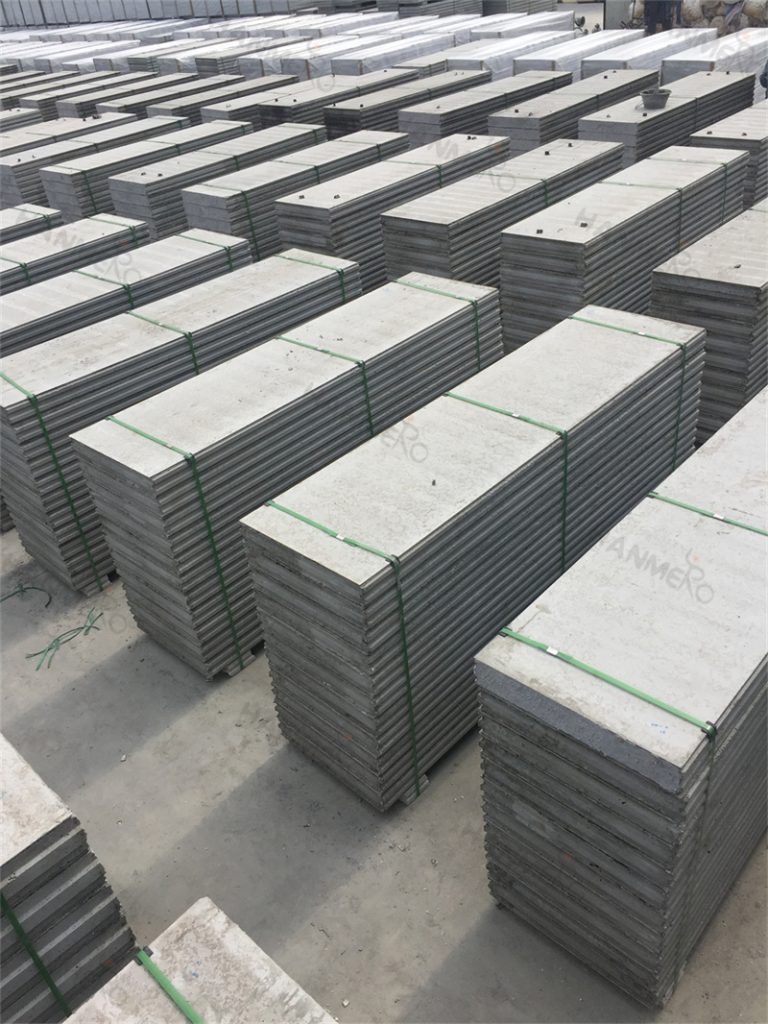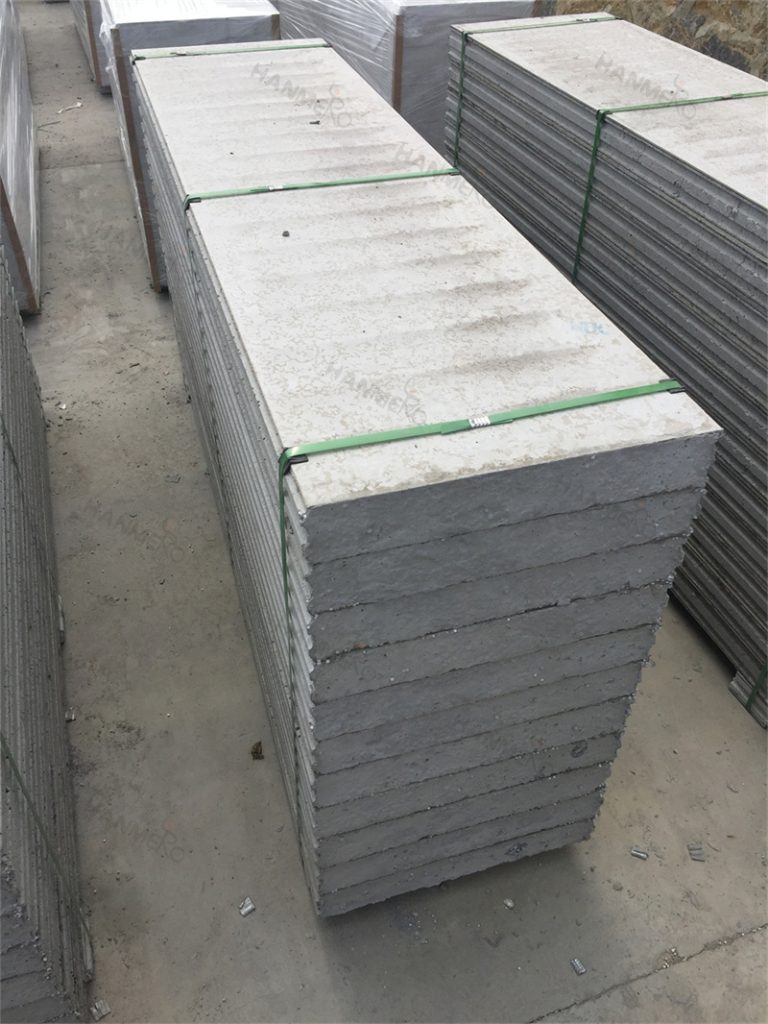
Even experienced construction teams can make simple mistakes when working with the EPS Cement Sandwich Panel for the first time, and these errors can lead to unnecessary performance problems later on. One of the most common mistakes is failing to account for proper expansion gaps between adjacent EPS Cement Sandwich Panel sections, which can cause panels to buckle when they naturally expand and contract with temperature changes. Another frequent error is skipping the recommended vapor barrier installation in high humidity environments, which can allow moisture to seep into the panel core and eventually cause delamination issues. Many teams also make the mistake of using incompatible sealants or low quality fasteners that break down quickly when exposed to outdoor weather, compromising the water resistance of the entire wall system. Some project managers also try to cut costs by choosing a panel thickness that is too thin for their local climate, leading to lower than expected insulation performance and higher long term energy bills. Finally, many teams forget to store the EPS Cement Sandwich Panel properly on the construction site, leaving panels exposed to heavy rain or direct ground moisture for extended periods before installation. Avoiding these five simple mistakes will help ensure that every EPS Cement Sandwich Panel installation delivers the full performance that the material is designed to provide.