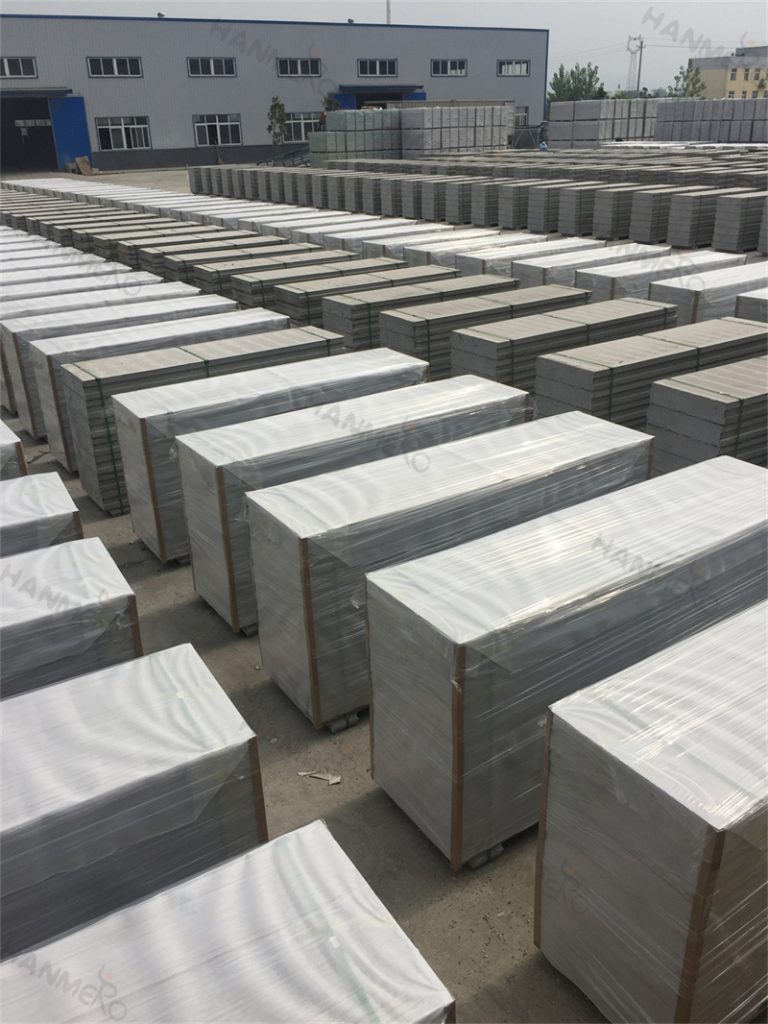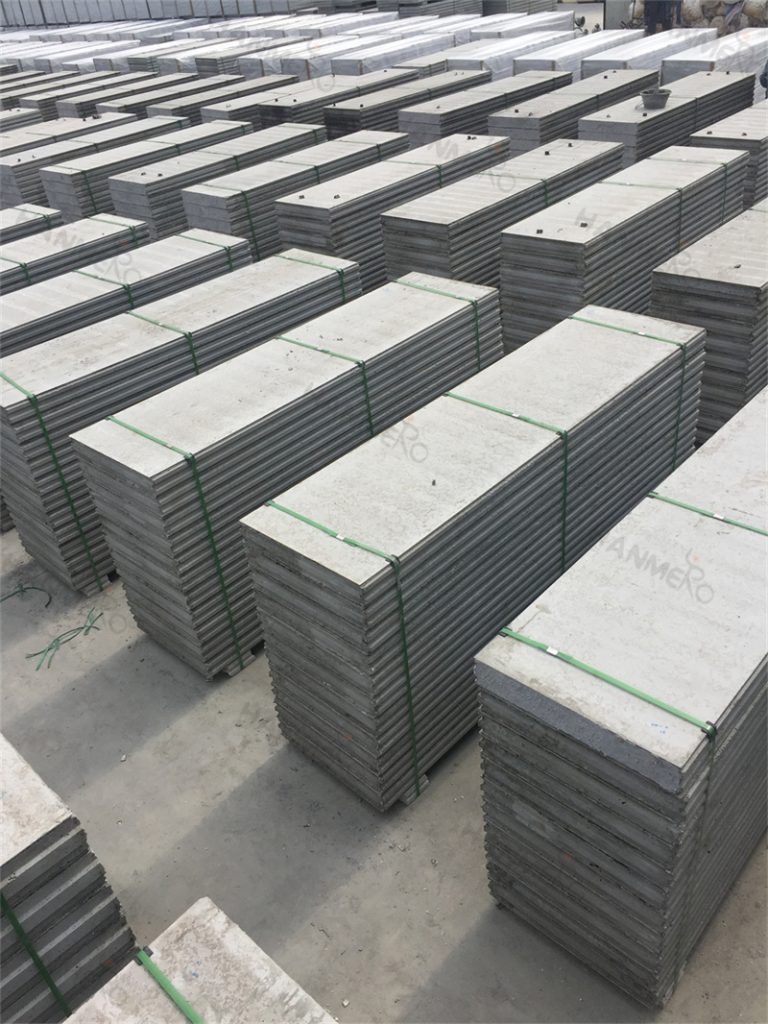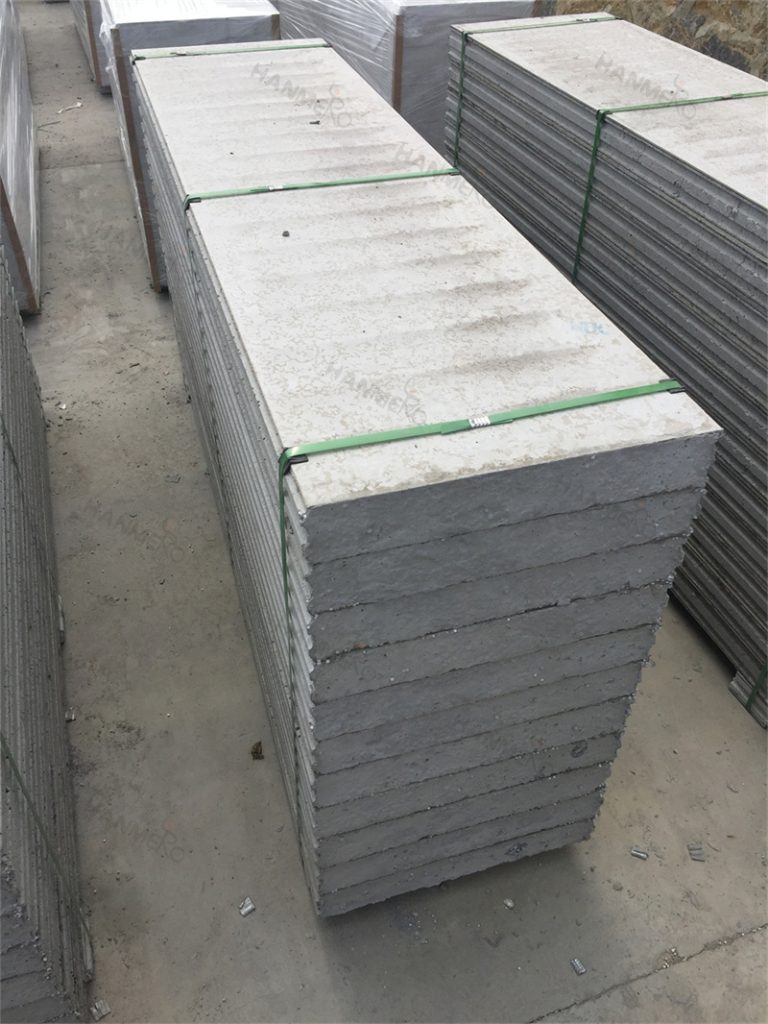
Every high quality EPS Cement Sandwich Panel is built using three core components that work together to create a balanced, high performance building material. The innermost layer is the expanded polystyrene core, a lightweight foam material that is manufactured through a process of expanding polystyrene beads to create a structure full of tiny closed air cells. This core is responsible for most of the excellent thermal insulation properties that the EPS Cement Sandwich Panel is known for. On both sides of this foam core, manufacturers apply a durable, rigid cement based facing that provides structural rigidity, impact resistance, and a solid surface that can accept finishing materials like paint or plaster. These two cement facings are securely bonded to the EPS core during the controlled factory production process, creating a single unified panel that will not easily delaminate when handled and installed correctly. The entire composition of a standard EPS Cement Sandwich Panel is designed to be non combustible to appropriate local building code standards, reducing fire risk compared to some pure foam panel products that lack a full cement protective layer. Understanding this simple three part structure helps construction professionals make more informed decisions about how to handle, install, and maintain the EPS Cement Sandwich Panel throughout its usable life.