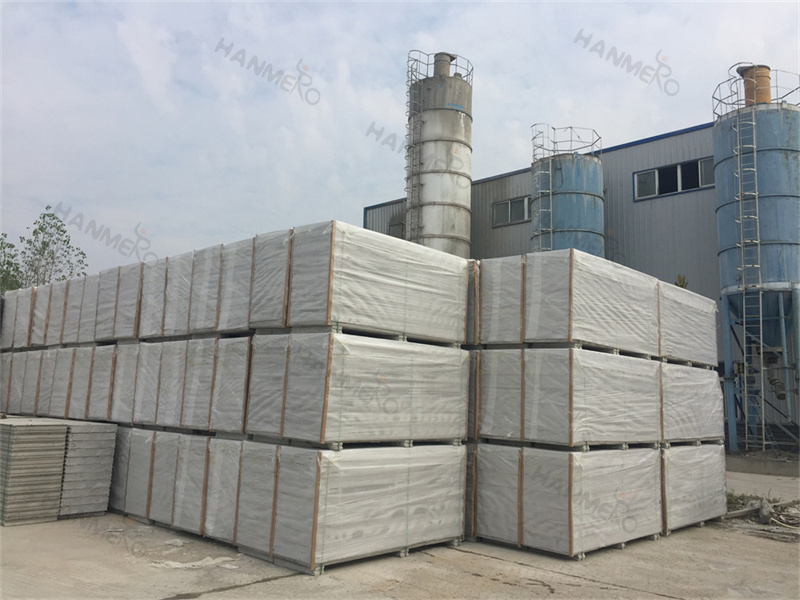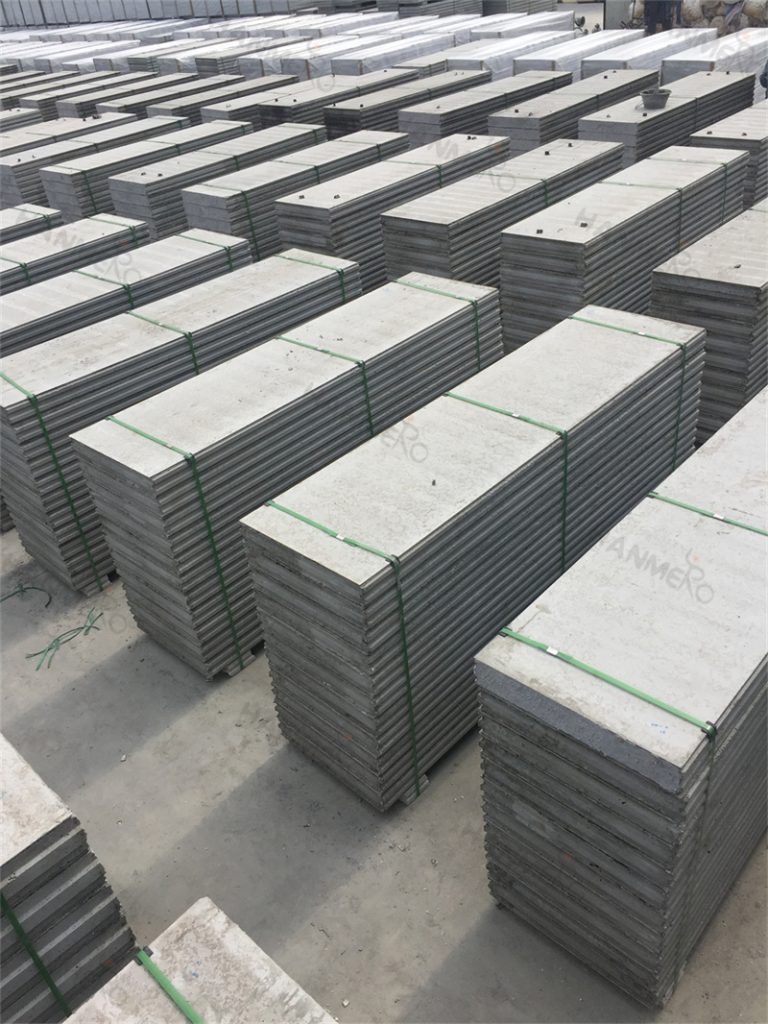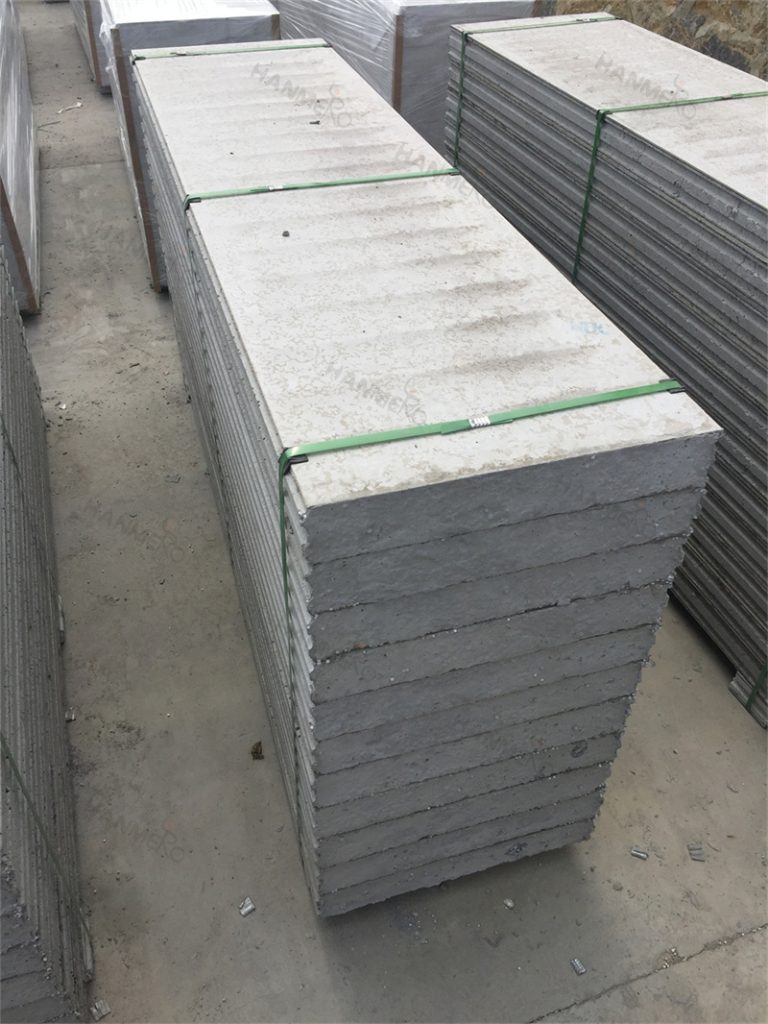
For architecture teams pursuing LEED green building certification, every material choice directly impacts the final score, and selecting the right wall product can help you earn multiple key credits without extra complicated processes. The EPS Cement Sandwich Panel has become a favorite choice for green building designers around the world, as it naturally aligns with multiple LEED rating system requirements and helps projects accumulate certification points smoothly.
First, the production process of EPS Cement Sandwich Panel uses far less cement and natural raw materials than traditional solid concrete walls, which reduces the embodied carbon emission per square meter by more than 40%. This directly contributes to the Materials and Resources credit category, especially the low-emitting materials requirement, since the panel releases zero volatile organic compounds and no formaldehyde after installation. Its built-in thermal insulation core reduces the building’s long-term heating and cooling energy consumption by over 30%, easily helping you get full points in the Energy and Atmosphere section. The panel’s ultra-light weight also reduces the load requirement for the building’s steel and concrete structure, cutting the carbon footprint of the whole structural system significantly. When you need to run all the HVAC pipes, electrical lines and sensor cables, you can cut neat slots on the panel without generating toxic construction dust, which improves the indoor construction air quality and meets the IEQ (Indoor Environmental Quality) standards. Many completed LEED gold and platinum certified projects have publicly listed this panel as one of their key green material choices, proving its value in high-standard sustainable building systems.