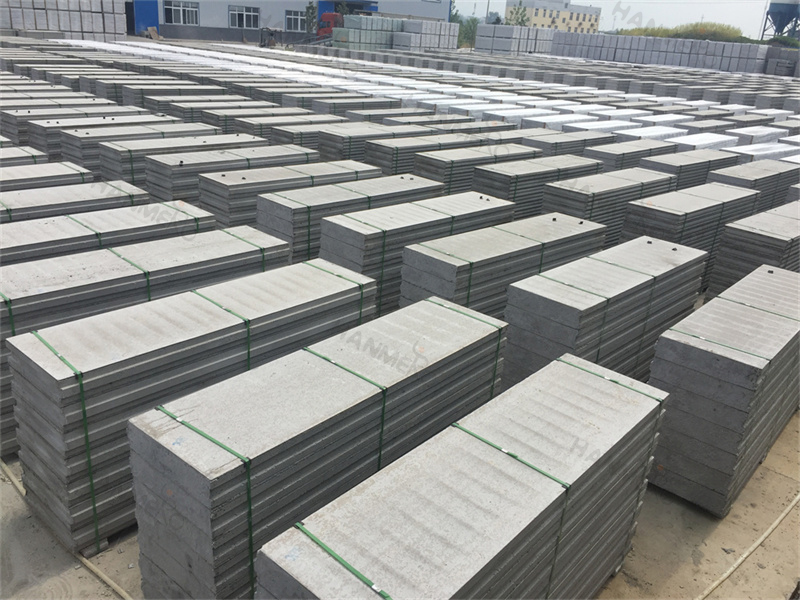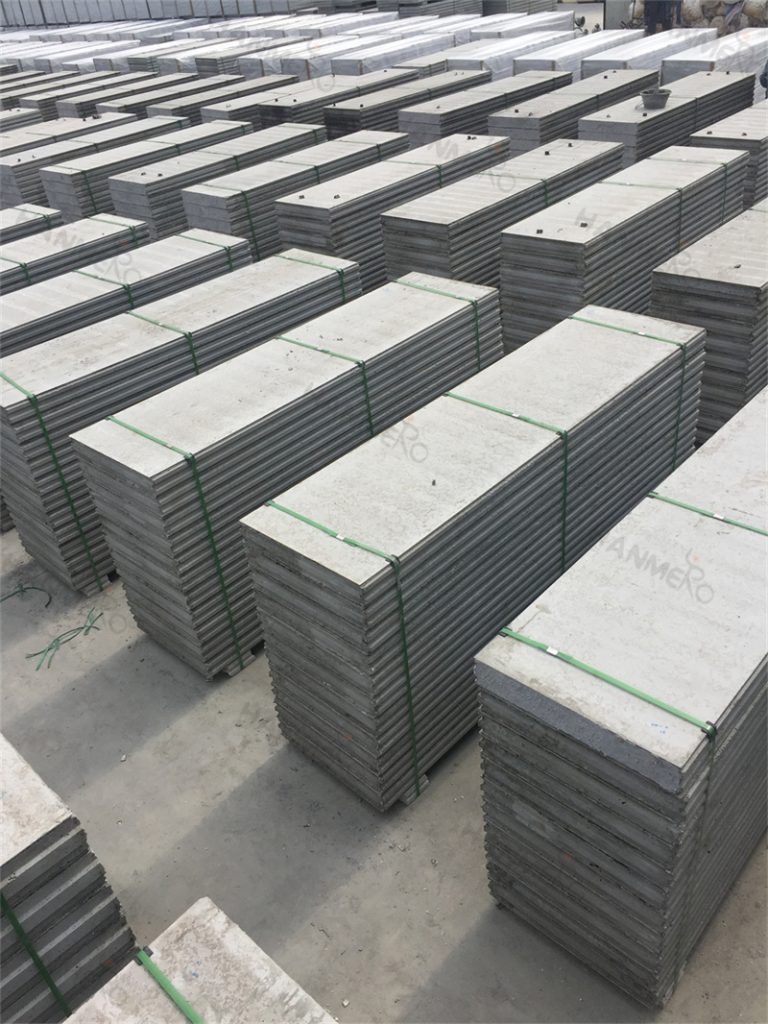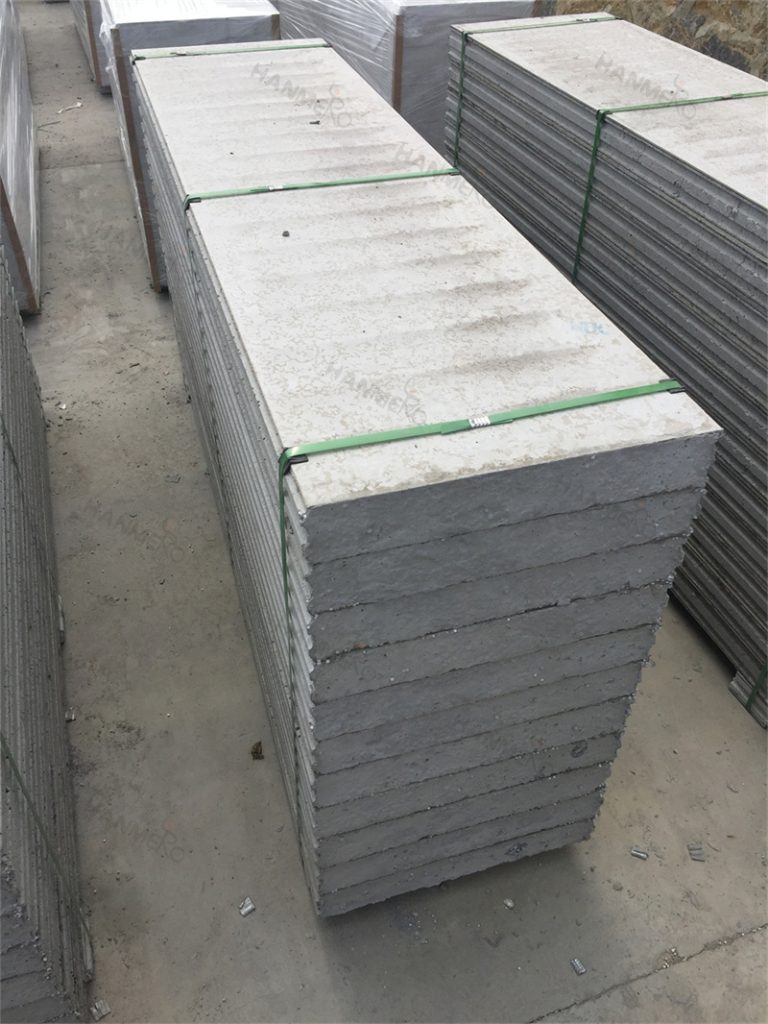
Meeting modern local building energy efficiency codes is a major concern for almost every new construction project, and the EPS Cement Sandwich Panel can be a very useful tool to help project teams hit those required performance targets. Most current energy codes specify minimum levels of thermal resistance for exterior walls, and a properly specified EPS Cement Sandwich Panel can easily meet or exceed those baseline requirements without requiring extra layers of separate insulation. Because the EPS Cement Sandwich Panel creates a near continuous thermal break across the entire wall surface, there are far fewer uninsulated gaps that can create thermal bridging and waste energy. Many building inspectors are already familiar with the EPS Cement Sandwich Panel as a proven wall system, which can help streamline the code approval process when the project team provides the correct manufacturer performance documentation. It is still important to select the right panel thickness for your specific climate zone, as colder regions will generally require a thicker EPS Cement Sandwich Panel to reach the required R value for local code compliance. When combined with proper window sealing, roof insulation, and efficient HVAC systems, a full wall system built with EPS Cement Sandwich Panel can help entire buildings comfortably pass even the strictest local energy efficiency inspections.